How Hawaii’s public access law unlocks hidden beaches on Kauai
On Kauai, the most memorable beach often lies just beyond where most rental cars stop. Under Hawaiʻi’s public trust doctrine, as outlined by the Hawaiʻi Department of Land and Natural Resources in its shoreline public access guidance, the shoreline area seaward of the upper wash of the waves is generally public land, which means even the most exclusive stretch of coast in Hawaiʻi is usually open to everyone. For travelers planning a refined trip, understanding this rule—and its limits around private access easements and legal parking—quietly reshapes how you choose a hotel, a state park, and even a small side road to follow.
When you study a map of Kauai’s north and south shores, you will notice how many gaps sit between the famous names like Poipu Beach, Hanalei Bay, and Tunnels Beach. Those gaps often hide a less crowded spot, a pocket of sand where you will share the place with only a handful of people, if anyone at all. The key is knowing that while private property can restrict where you park or which path you may legally use, it cannot take away the public’s right to be on the sand below the line where the waves regularly wash, as long as you reach it via a lawful route such as a signed right-of-way, public beach access, or state park trail.
For guests booking premium stays, this has practical consequences that go far beyond a single hidden gem. A room facing the Nā Pali Coast or the Pali Coast cliffs is spectacular, but pairing it with a rental car and a willingness to walk a short trail will open an entirely different Kauai shoreline experience. You will start to see every state park sign, every unassuming beach park, and every bend in the road as a potential gateway to secluded coves that most visitors simply drive past on their way to the next tour, especially once you understand how to read shoreline access signs and county beach safety information.
North shore sanctuaries: from Kauapea to Hanalei’s quiet corners
The north shore is where the search for secret stretches of sand on Kauai truly begins to feel like a private island, even when you are minutes from a luxury suite. Kauapea Beach, often called Secret Beach, sits below the Kilauea Lighthouse and is reached by a steep, sometimes muddy trail that takes around fifteen minutes to descend with roughly 45–60 metres of elevation loss. The informal path begins near the end of Kalihiwai Road in Kilauea, close to the junction with Secret Beach Road and a small dirt pullout, where limited roadside parking makes an early start wise, and because there is no official beach park or facilities, most visitors never realize this long golden stretch exists.
Here, the surf can be powerful and swimming is often unsafe, yet the sense of space is extraordinary for such a small cove framed by lava cliffs. County of Kauai Ocean Safety guidance is clear about the conditions: “Swimming can be dangerous due to strong currents.” That single sentence should shape how you plan your time, because this is a place for long walks, tide pool wandering, and quiet reflection rather than a casual swim in the shore break, and you should treat any entry into the water as a serious decision rather than a spontaneous dip.
Farther west along the Kauai north shore, Hanalei Bay absorbs most of the attention, but its scale hides several more intimate corners. If you base yourself in one of the elegant vacation rentals in Hanalei on the north shore, such as those curated in the Hanalei vacation rentals guide, you can walk the curve of the bay at different times of day and find your own quiet spot. Early morning, when the Nourish Hanalei farm stand is just setting up above the road near the overlook, is often the best time to claim a patch of sand and watch the light slide down from the mountains, and you can use the pier, lifeguard towers, and river mouth as simple landmarks to orient yourself along the bay.
Beyond Tunnels and Anini: coves, trails, and the edge of Nā Pali
Many travelers think the story of secluded beaches on the north shore ends at Tunnels Beach and Keʻe, but the coastline is more intricate than any single postcard. Tunnels Beach itself is famous for snorkeling, yet walking a little farther along the sand or exploring at a different tide can reveal a small, sheltered spot that feels like your own hidden gem. The same is true at Anini Beach, where the long reef creates calm water, but the farther you move from the main beach park and its facilities, the more likely you are to find a quiet place beneath ironwood trees, especially if you park near the western end of the road and stroll back along the shoreline.
Travelers often arrive with a Nā Pali Coast helicopter tour already booked, yet the real intimacy with this coast comes from time spent on foot. The Kalalau Trail, which begins at the end of the road on the north shore in Hāʻena State Park, is not a casual stroll, but even the first section toward Hanakāpīʻai offers viewpoints over coves that most visitors only glimpse from the air. These are not beaches to reach lightly, and conditions can be serious, so your best Kauai strategy is to treat every trail as a commitment rather than a quick side trip, to secure any required Hāʻena State Park entry and parking reservations, and to check current state park and weather updates before you go.
On the west side, the same principle applies where the cliffs of the Pali Coast meet the vastness of Polihale State Park. Many visitors stop at the main parking area and never walk along the 27 kilometre stretch of sand that feels like the edge of the world. If you are already heading toward Waimea Canyon for a hike, using a detailed guide such as the one on earning the Waimea Canyon panorama, you can easily add a late afternoon visit to this remote coast and watch the sun sink behind the distant outline of the Nā Pali Coast, keeping in mind that the final access road is rough, often rutted, and best attempted in dry conditions with sufficient daylight for your return.
South shore secrets: Mahaulepu, Poipu’s edges, and the luxury base
The south shore of Kauai is often associated with polished resorts and the family friendly curve of Poipu Beach, yet even here the coastline holds quiet corners. East of Poipu, the Mahaulepu Heritage Trail traces an undeveloped limestone coast where the path threads between dunes, blowholes, and small pocket beaches that feel far removed from the pool scene. This is one of the best Kauai walks for travelers who want a sense of wild Hawaiʻi without committing to a strenuous mountain trail, and the signed trailhead near Shipwreck Beach by the large oceanfront resort makes it easy to reach and simple to follow for the first few kilometres.
Because Mahaulepu sits beyond the end of the paved road, many visitors never realize that this stretch of coast exists, and they miss a classic example of a more secluded Kauai shoreline. You will need sturdy footwear, water, and a willingness to accept that there are no facilities, no lifeguards, and no shade beyond what you find. In return, you gain a state of mind that feels closer to old Hawaiʻi, where the only sounds are wind, surf, and the occasional call of seabirds nesting along the cliffs, and where the rough track, cattle gates, and coastal bluffs make the journey itself part of the experience.
For a luxury base that still keeps you close to these hidden gems, consider staying on the bluffs above the north shore rather than directly in Poipu Beach. Properties such as the oceanfront residences at Puu Poa in Princeville, detailed in this guide to an elevated oceanfront stay in Princeville, give you sweeping views of Hanalei Bay and quick access to both Tunnels Beach and Anini Beach. From such a vantage point, you can plan each trip to a hidden spot with the precision of a concierge, choosing the right time of day, the right tide, and the right balance between comfort and adventure while still returning to a private lanai or infinity pool at the end of the day.
Respectful access: safety, culture, and what “locals only” really means
Hidden beaches on Kauai are not secret in a legal sense, but they are fragile, and how you arrive matters as much as where you go. When a sign or a conversation hints that a place feels “locals only”, it usually reflects concern about parking, erosion, or safety rather than a desire to exclude respectful visitors. Your role as a visitor is to read those signals carefully, choose another beach or another time when necessary, and treat every access trail as if it crossed your own front yard, staying off vegetation, avoiding blocked driveways, and keeping noise low near homes.
Practicalities come first, especially on a solo trip where you cannot rely on a group tour for backup. Many of the most beautiful spots, from Kauapea Beach to the far reaches of Polihale State Park, have no lifeguards, no shade structures, and no services, so you must bring water, sun protection, and a clear plan for how long you will stay. Check the surf forecast, consult County of Kauai Ocean Safety or Hawaiʻi Beach Safety resources, respect any warnings about Queen’s Bath or other dramatic lava ledges, and remember that even a small change in swell can transform a calm tide pool into a dangerous place, particularly on north shore winter swells and during high surf advisories.
Respect also extends to how you talk about these hidden gems once you return to your hotel or to Hawaiʻi in another season. Share the names of established locations such as Anini Beach, Hanalei Bay, Poipu Beach, and Waimea Canyon, but be cautious about broadcasting every tiny cove or unmarked trail on social media. The best Kauai experiences often come from tips shared quietly by a guide, a barista from Nourish Hanalei, or a hotel staff member who trusts that you will treat their island with care, and that trust is worth more than any single hidden gem or geotagged photo.
FAQ about secret beaches on Kauai
Is swimming safe at Secret Beach on Kauai’s north shore ?
Swimming at Kauapea, often called Secret Beach, is frequently unsafe because of strong currents and powerful shore break, especially during winter swells. Conditions can change quickly, and there are no lifeguards on duty, so this beach is better suited to walking, photography, and quiet time on the sand. If you want to swim, choose a lifeguarded beach park such as Poipu Beach or a more protected section of Hanalei Bay instead, and always confirm current ocean safety information before entering the water.
How do I access Secret Beach near Kilauea ?
You reach Secret Beach via a steep, unofficial trail that begins near Kalihiwai Road outside the town of Kilauea. The descent typically takes around fifteen minutes with a similar time to climb back up, and the path can be slippery after rain, so sturdy footwear is essential and you should avoid blocking nearby driveways when you park. There is no formal state park infrastructure or signage, which is why many visitors drive past without realizing this long beach is below the cliffs, so researching how to access Kauapea Secret Beach parking in advance helps you arrive prepared.
Are there facilities at Kauai’s more hidden beaches ?
Most of the truly hidden beaches on Kauai, including Kauapea and the more remote sections of Polihale State Park, have no facilities at all. You will not find restrooms, showers, food vendors, or rental stands, so you must bring water, snacks, sun protection, and any gear you need. If you prefer services close at hand, base your beach days around established beach parks and then add short side trips to quieter spots, returning to the main park if conditions feel beyond your comfort level.
What should I bring when exploring Kauai’s lesser known coastline ?
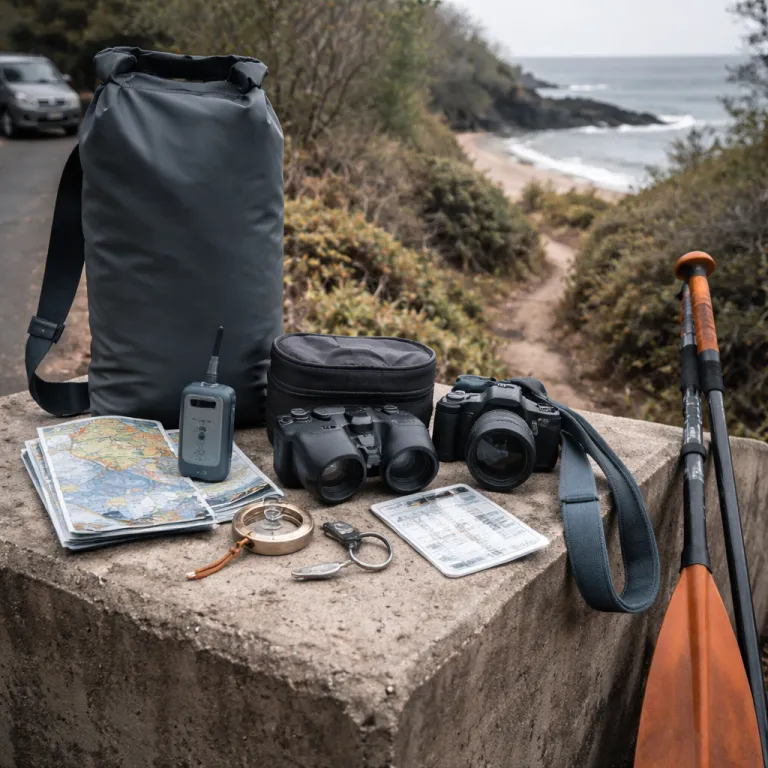
For any off the beaten path beach or trail, pack sturdy shoes, at least one litre of water per person, reef safe sunscreen, and a light cover up for sun and wind. A small dry bag for your phone and keys is useful, especially if you plan to walk near tide pools or cross streams on the Kalalau Trail. Because many of these places are far from shops, it is wise to carry snacks and a basic first aid kit as well, along with a charged phone so you can check updated weather and surf forecasts.
When is the best time of day to visit hidden beaches on Kauai ?
Early morning is usually the best time to visit hidden beaches on Kauai, because parking is easier and the light is softer on the water. Midday can be extremely hot, especially at exposed places like Polihale State Park or the Mahaulepu Heritage Trail, so plan shorter visits then. Late afternoon offers beautiful sunsets on the west side, but always allow enough daylight for a safe return along any unlit road or trail, and avoid starting a new hike close to dusk.
References
Hawaiʻi Department of Land and Natural Resources (shoreline public trust guidance); Kauai Visitors Bureau; County of Kauai Ocean Safety; Hawaiʻi Beach Safety.