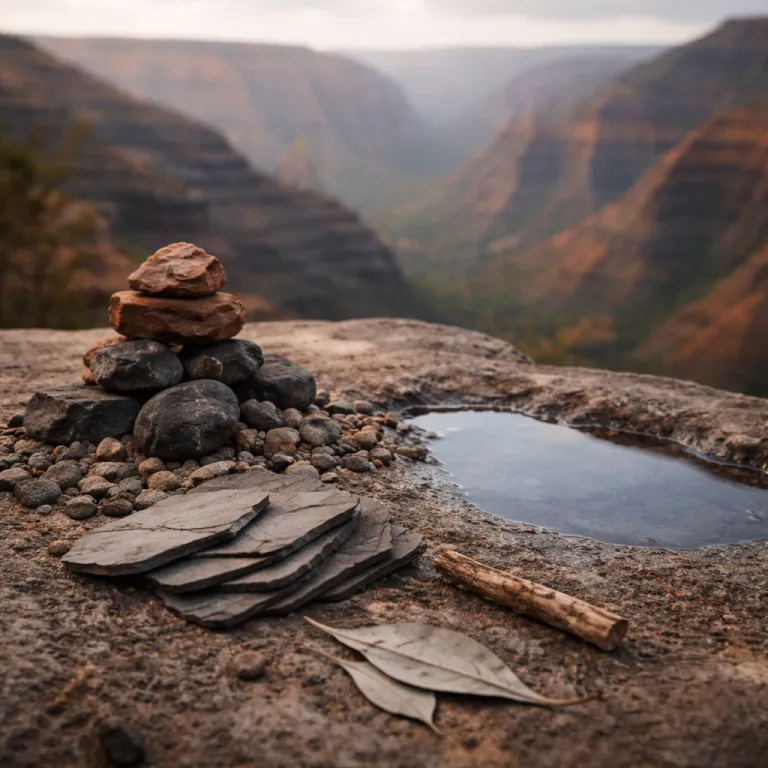
Why a Waimea Canyon hike on Kauai changes how you see the island
Most visitors drive the Waimea Canyon road, step out at a canyon lookout, take a photo, then head back to the coast. A Waimea Canyon hike on Kauai turns that quick stop into a full day of immersion, where the red earth, the sound of distant falls and the shifting light across every cliff become part of your memory. When you plan your luxury stay on the island, treating Waimea Canyon as an experience rather than a detour will shape where you sleep, when you drive and how your family moves through this vast state park landscape.
Waimea Canyon State Park stretches for about 23 kilometres, with the canyon carved more than 1 000 metres deep into Kauaʻi’s interior. The park sits inland from the south and west coasts of Kauai, and the Waimea town road climbs steadily from sea level to the high plateau shared with Kōkeʻe State Park. For families staying in premium properties on the north shore, such as refined oceanfront residences in Princeville, the Waimea drive will take longer but rewards you with cooler air, sweeping views and a very different side of Hawaiʻi.
Park management at Waimea Canyon State Park and neighbouring Kōkeʻe State Park keeps the main hiking trails well signed, but conditions change quickly with rain and fog. Official guidance is clear that “Morning hours offer clearer views and cooler temperatures.” Facilities such as restrooms and parking are concentrated at the main canyon lookout areas, so a thoughtful hotel concierge will help you time your canyon trail choices around these hubs, especially if you are travelling with children or multi generational groups.
Reading the canyon from the rim: lookouts, roads and luxury logistics
Driving the Waimea Canyon road is still the most efficient way to understand the scale of this so called Grand Canyon of the Pacific before you hike. The asphalt threads from sea level through dry scrub, then past iliau nature shrubs and into the cooler forest of Kōkeʻe State Park, with each lookout offering a different angle on the canyon. For a premium family itinerary, this road sequence lets you gauge children’s energy, cloud cover and water supplies before you commit to longer hiking trails deeper into the park.
The first major canyon lookout gives you a classic Waimea Canyon panorama, with layered red walls, pockets of green and the white ribbon of Waipoo Falls far across the gorge. Higher up, the canyon lookout points near the Kōkeʻe State Park boundary reveal how the canyon opens toward the interior of Kauaʻi, and why the comparison to the continental Grand Canyon only half captures its lush Pacific character. On clear days, the Kalalau lookout in Kōkeʻe State Park frames the Nā Pali cliffs dropping to the ocean, a reminder that one island can hold both canyon and sea within a short drive.
Luxury travellers should pay attention to seasonal trail reports, especially after heavy rain or a Kona low weather system, when red dirt turns slick and certain hiking trails may close for safety. Before you leave your hotel, check recent updates on where Kauai’s trails and beaches stand now so you do not waste precious daylight driving to a closed path. High end properties on the south and north shores increasingly brief guests on canyon state conditions at check in, because a well timed Waimea Canyon hike on Kauai can be the highlight of a week long stay.
Canyon Trail to Waipoo Falls: stepping inside the Grand Canyon of the Pacific
The Canyon Trail to Waipoo Falls is the classic Waimea Canyon hike on Kauai for families who want to feel the canyon walls close around them. This moderate path of roughly 4,8 kilometres round trip begins near the rim in Kōkeʻe State Park, then threads through forest, open red dirt and eroded ledges toward the top of the falls. Children who are used to hiking will relish the sense of descent into the canyon, while adults appreciate that the trail never feels excessively exposed if you move carefully.
From the signed Canyon Trailhead, you follow a sometimes rutted track that intersects with the shorter Cliff Trail, which offers quick access to a dramatic viewpoint over Waimea Canyon. Continuing on the main Canyon Trail, the route undulates along the slope, with side views into the gorge and glimpses of Waipoo Falls far ahead. The final approach leads to the stream above the falls, where shallow pools and smooth rock slabs invite a careful rest, though parents should keep children well back from any wet rock near the drop.
Because this canyon trail sits within a popular state park corridor, it can feel busy by late morning, and afternoon fog often erases the long views. Starting from your hotel before sunrise means you will reach the lookout sections in the cool of the day, with fewer people and more stable light for photography. For premium families staying in well located coastal properties, using a detailed coast by coast guide to where to stay in Kauai helps you choose a base that keeps the Waimea drive manageable while still offering resort level comforts at night.
Cliff Trail, Black Pipe and Kukui Trail: rim drama and serious descents
Not every Waimea Canyon hike on Kauai needs to be long to feel intense, and the short Cliff Trail proves it. This spur path peels off near the Canyon Trail and leads quickly to a rim edge platform, where the canyon drops away in a near vertical sweep of red and green. Families with a head for heights will find the views exhilarating, but those with younger children should set clear boundaries, as the combination of loose dirt and exposure demands calm footing.
From the same general area, the so called Black Pipe section and the adjacent pipe trail segments follow utility lines and service routes along the slope, creating informal loops that link back toward the main canyon trail corridor. These paths are less clearly defined than the signed Canyon Trail, so they suit confident hikers who are comfortable reading terrain and retracing steps if needed. When conditions are dry, the red dirt underfoot offers good grip, but after rain the surface becomes slick, and your hotel concierge will often advise against these side options for families.
On the opposite side of the canyon, the Kukui Trail plunges from the rim down toward the Waimea River, offering a demanding alternative for experienced hikers seeking a full day outing. This descent covers several kilometres with significant elevation loss, which means the return climb feels far longer than the initial drop, especially under the exposed Hawaiian sun. Luxury travellers who attempt the Kukui Trail should carry ample water, sun protection and snacks, and they should plan a quiet evening back at their resort, perhaps in a spacious oceanfront condominium where children can unwind after such a strenuous round trip.
From Kalalau lookout to Awaʻawapuhi: stitching canyon and coast into one day
Driving beyond the main Waimea Canyon viewpoints into upper Kōkeʻe State Park brings you to the Kalalau lookout, where the island suddenly tilts toward the sea. Here the canyon walls give way to the sculpted ridges of the Nā Pali Coast, and on a clear day the Pacific glows far below. Many travellers stop at this state park lookout and turn back, but those who continue a short distance along the road reach the Awaʻawapuhi Trail, one of Kauai’s most dramatic hiking trails.
The Awaʻawapuhi Trail is a demanding 10 kilometre round trip that begins in cool forest and ends at a narrow ridge high above the ocean, with cliffs dropping more than 750 metres to the sea. Unlike the Waimea Canyon trail network, which focuses on the interior gorge, this path frames the meeting of canyon and coast, earning its reputation as a highlight of hiking in Hawaiʻi. Because the route descends gradually on the way out and climbs on the return, families should start early in the day, carry generous water and accept that the uphill final section will feel significantly harder than the initial walk.
Luxury travellers often pair a morning Awaʻawapuhi hike with an unhurried afternoon back at a refined north shore base, such as the elevated oceanfront stay options at Puu Poa condominiums in Princeville. This combination of high ridge exertion and poolside recovery lets you experience both the raw canyon Pacific landscape and the polished hospitality that defines Kauai’s premium accommodations. When you plan your stay through a curated platform focused on the island, you gain access to properties whose concierges understand the nuances of Waimea, Kōkeʻe and the wider network of state parks, ensuring that each hike aligns with your family’s comfort and ambitions.
Practical planning: permits, safety, gear and choosing the right hotel
For most visitors, a Waimea Canyon hike on Kauai remains a day hike experience, which simplifies permits and logistics. Current regulations state that no permit is required for day hikes in Waimea Canyon State Park or Kōkeʻe State Park, while camping in designated areas does require advance permission. Luxury travellers who value seamless planning often ask their hotel concierge or villa host to confirm any updates, especially during periods of increased eco tourism or after significant weather events.
Trail conditions shift with season and rainfall, and the same canyon trail can feel entirely different from one month to the next. Morning usually brings clearer views and cooler temperatures, while afternoons may see fog roll up the canyon, obscuring lookouts and making navigation on less defined paths more challenging. Simple habits such as starting early, carrying more water than you think you need and wearing sturdy footwear transform a Waimea Canyon hike from a risk into a refined adventure suitable for families.
Choosing where to stay on the island shapes how easily you can reach Waimea, Kōkeʻe and the wider canyon state parks network without exhausting younger travellers. South shore resorts shorten the drive to the park entrance, while north shore properties offer cooler evenings and dramatic coastal scenery, so a thoughtful coast by coast accommodation guide becomes invaluable. Whatever your base, align your hiking days with rest days, treat the canyon as a central chapter of your Kauai story and let the rhythm of road, trail and lookout guide the pace of your luxury stay in Hawaiʻi.
FAQ
What is the best time of day to hike in Waimea Canyon?
Morning is the best time of day for a Waimea Canyon hike on Kauai, because temperatures are cooler and visibility is usually better. As the day warms, clouds and fog often build inside the canyon, reducing long distance views from lookouts and exposed sections of trail. Starting early also helps families secure parking at popular trailheads in Waimea Canyon State Park and Kōkeʻe State Park.
Do I need a permit for day hikes in Waimea Canyon?
Day hikes on the main trails in Waimea Canyon State Park and neighbouring Kōkeʻe State Park do not require individual hiking permits under current regulations. Camping in designated areas does require a permit, which must be arranged in advance through the appropriate park management channels. Luxury travellers often ask their hotel concierge to confirm any recent changes before planning a full day in the canyon.
Are there facilities at the main Waimea Canyon trailheads?
Facilities such as restrooms and parking are available at the main Waimea Canyon lookouts and at several signed trailheads along the park road. Services become more limited as you move deeper into Kōkeʻe State Park, so families should not rely on frequent water or food options once they leave the car. Carrying sufficient water, snacks and basic first aid from your hotel ensures a more comfortable and flexible hiking day.
Which Waimea Canyon hikes are best for families with children?
For families with active children, the Canyon Trail to Waipoo Falls offers a manageable distance with rewarding canyon views and a streamside rest area near the top of the falls. The shorter Cliff Trail spur provides a dramatic rim viewpoint with less time commitment, though parents must supervise children closely near exposed edges. More strenuous options such as the Kukui Trail or the Awaʻawapuhi Trail suit older teenagers and adults who are accustomed to longer hikes and significant elevation change.
How should I prepare my gear for Waimea Canyon’s red dirt and sun?
Waimea Canyon’s red dirt stains clothing and shoes, so many travellers wear older gear and pack a change of clothes for the drive back to their hotel. The combination of exposed ridges and reflective rock makes sun protection essential, including a wide brimmed hat, high SPF sunscreen and lightweight long sleeves. Carrying at least two litres of water per person for moderate hikes, and more for longer routes such as Awaʻawapuhi or the Kukui Trail, keeps your Waimea Canyon hike on Kauai both safe and enjoyable.