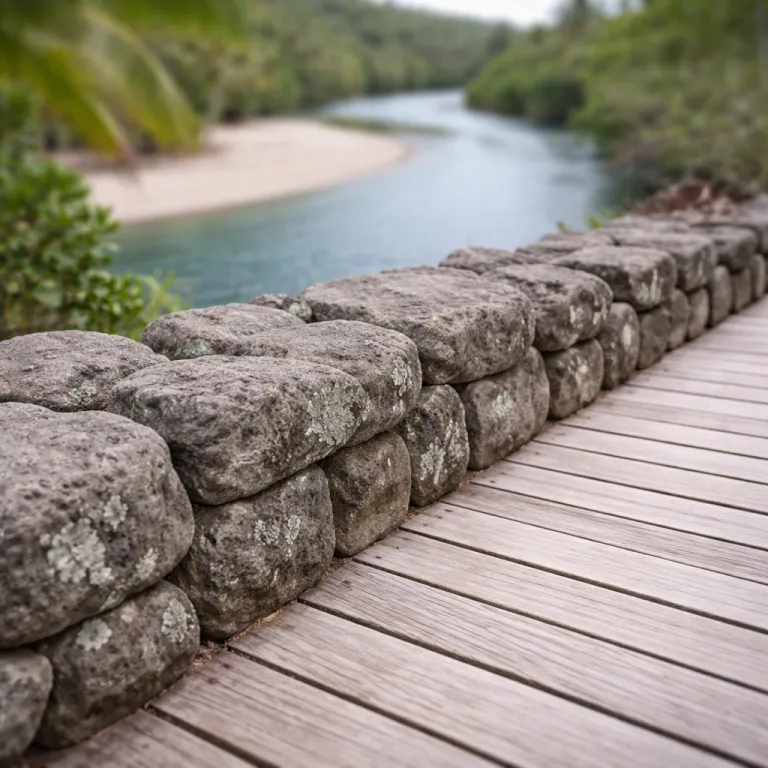
Why Kauai’s cultural heritage sites matter for luxury family stays
Kauai cultural heritage sites quietly change how a premium family holiday feels. When you weave Kauaʻi history and living culture into your itinerary, every ocean view and every poolside pause gains depth and context. Families who plan one heritage focused day around Wailua, Kōloa and Hanapēpē town often say the rest of their stay on Kauai suddenly makes more sense.
The island’s ahupuaʻa system, the traditional mountain to sea land division, explains why Waimea Canyon, the Wailua River and the reef near Māhāʻulepū are part of one continuous story rather than separate points of interest. Understanding this history culture connection helps you choose where to book, because a resort located near historic places such as the Wailua Complex of Heiau or the Kōloa Heritage Trail offers more than just convenient beach access. Luxury is no longer only about thread count; it is about how gracefully your hotel helps your family engage with Kauaʻi’s rich history and present day cultural life.
For parents, this approach turns “we will visit one more museum” into a narrative that children can follow from cave to sugar mill to fishpond. You might start with the Kauaʻi Museum in Līhuʻe, founded in 1960 and typically open Monday through Saturday from mid morning to late afternoon, then continue to the nearby Kauaʻi Historical Society archives to understand how the last sugar mill closure in 2009 reshaped the island. From there, a short drive of about 15 minutes brings you to Wailua, where the river, heiau and coastal area reveal how aliʻi once moved through this landscape in ways that still influence where hotels and trails sit today.
Walking Wailua’s royal corridor: a self guided heritage trail for families
Wailua was once the central seat of power on ancient Kauai, and you feel that legacy the moment you step out of your car near Wailua Bay. A self guided heritage trail links the shoreline, the Wailua River, ʻŌpaekaʻa Falls and several heiau where aliʻi held ceremonies, turning what could be a quick scenic stop into one of the island’s most meaningful historic cultural experiences. The State of Hawaiʻi Department of Land and Natural Resources manages many of these sites, and clear interpretive signs make the route accessible even if this is your first visit to Hawaiʻi.
Most families drive between stops, then walk short, mostly flat paths of five to fifteen minutes to each viewpoint, which keeps the day manageable for younger children and grandparents. One heiau is located above the river with a sweeping view inland toward the mountains, another sits closer to the sea, and together they illustrate the ahupuaʻa concept in a way no classroom ever could. Spend thirty minutes reading about Kauaʻi history on the State DLNR and Kauaʻi Historical Society websites before you arrive and the stones, terraces and river bends will speak more clearly, transforming a simple photo stop into one of your most powerful points of interest on Kauai.
This is also where context around modern development matters for luxury travelers choosing where to stay. The long delayed future of the Coco Palms site, explored in depth in this analysis of Kauai’s most famous ruin and its expired permits, shows how heritage preservation and resort planning intersect along this coast. As one local cultural practitioner quoted in recent community testimony notes, “Wailua is not just scenery; it is a royal corridor, and every new project here should remember that.” When you book a premium property near Wailua, ask how the hotel engages with nearby Kauai cultural heritage sites and whether they support local cultural practitioners who interpret this royal corridor for guests.
From Kōloa sugar to Māhāʻulepū sea cliffs: heritage trails beyond the resort
South shore luxury resorts often sit within minutes of some of Kauai’s most layered historic places. The Kōloa Heritage Trail, a ten mile self guided route through fourteen sites in Kōloa and Poʻipū, threads past former sugar mill ruins, lava rock churches and shoreline pavilions where community events still anchor local culture. For families staying in high end properties nearby, this heritage trail becomes an easy half day outing that balances history, gentle walking and ocean air.
Start in old Kōloa town, where the remaining sugar mill structures and plantation era buildings tell a clear story of immigration, labor and changing land use on Kauai. Panels along the Kōloa Heritage Trail explain how this once quiet area became central to Kauaʻi history, and why the closure of the island’s last sugar mill in 2009 marked the end of an era documented by the Kauaʻi Historical Society. From there, continue toward Māhāʻulepū, where the Maha ʻUlepu coastal section of the trail reveals sea cliffs, dunes and a sense of natural history that contrasts sharply with manicured resort lawns.
Near Māhāʻulepū, families can walk short segments of the trail that pass by a limestone cave and fossil rich dunes, always respecting signage and any access restrictions. This stretch offers a rare view of Kauai’s south shore before large scale development, and it highlights how cultural and environmental preservation shape what new luxury projects can or cannot build. When you evaluate premium hotels in this area, ask whether they provide maps of the Kōloa heritage sites, partner with local guides endorsed by community organizations, or simply point you toward shopping and a generic gift shop instead.
Hanalei, Waimea and Hanapēpē: where living towns meet deep history
On the north shore, Hanalei blends postcard beauty with a quiet but palpable sense of heritage. Taro fields stretch back from Hanalei Bay, and organizations such as the Waipā Foundation offer cultural programs where visitors can learn about taro cultivation, food systems and the history culture links that still define this valley. For families staying in luxury properties at Princeville, a short drive down to Hanalei turns a beach day into a lesson in how water, land and community remain intertwined on Kauai.
Further west, Waimea town serves as the gateway to Waimea Canyon, often called the Grand Canyon of the Pacific, and to Fort Elizabeth, a historic Russian fort located near the mouth of the Waimea River. Here, the story shifts from taro and aliʻi to global trade, imperial ambitions and the strategic value of this coastline in Hawaiʻi’s past. Many visitors rush through Waimea on their way to the canyon, but a slower visit reveals small museums, interpretive signs and coastal viewpoints that add nuance to your understanding of Kauaʻi history.
Hanapēpē town, once a bustling plantation community, now mixes galleries, cafés and restored buildings that speak to both historic and contemporary culture. Walking its main street, you move between art spaces and remnants of earlier commercial life, a contrast that appeals to travelers who value both design and depth. Choosing a hotel within an easy drive of Hanapēpē, Waimea Canyon and Fort Elizabeth means your family can alternate pool days with excursions that anchor your Kauai cultural heritage sites itinerary in real communities rather than isolated attractions.
Museums, fishponds and farm estates: curating a culture rich day from your hotel
When rain softens the horizon or the kids need a break from the beach, Kauai’s museums and historic estates step forward. The Kauai Museum in Līhuʻe, sometimes written as the Kauaʻi Museum, offers a concise yet layered overview of natural history, aliʻi genealogy, plantation eras and contemporary art, all within a compact space that works well for families. A thoughtfully curated gift shop extends the experience with books on Kauaʻi history, locally made objects and educational materials that keep younger travelers engaged back at the hotel.
Just a short drive away, Grove Farm homestead museum, often called simply Grove Farm, preserves one of the island’s important plantation era estates. Guided visits move through the main house, outbuildings and gardens, illustrating how sugar shaped both land and society in this area of Kauai. These historic cultural narratives pair well with a later stop at the nearby Alekoko fishpond, where the ancient stone walls and tranquil water show how Hawaiian engineering and food systems predate any sugar mill or modern resort.
Families who plan a full day around the Kauai Museum, Grove Farm and Alekoko fishpond often return to their luxury hotels with a new lens on the island’s landscapes. Suddenly, the manicured grounds, the golf course view and even the layout of the spa feel like part of a longer story about land, water and power on Kauai. As the Kauaʻi Historical Society explains in its mission statement, it “preserves and shares Kauaʻi's history through archives and public programs,” a role that quietly underpins many of the exhibits and stories you encounter.
Designing a heritage focused itinerary from a luxury base
Thoughtful planning lets you enjoy high end comfort while engaging deeply with Kauai cultural heritage sites. Start by choosing a hotel located within a thirty minute drive of at least one major heritage trail, whether that is Wailua’s royal corridor, the Kōloa Heritage Trail or the coastal paths near Māhāʻulepū. Then, block one full day and two half days for history culture experiences, leaving the rest for pool time, sailing or spa appointments.
On one day, pair the Kauai Museum and Grove Farm with Alekoko fishpond, creating a narrative arc from natural history to plantation life to ancient aquaculture. Another day, focus on Wailua’s heiau, the river and ʻŌpaekaʻa Falls, using the ahupuaʻa framework to explain how water moves from mountain to sea and why that matters for both past and present Hawaiʻi. A third outing might link Kōloa heritage sites, the Maha ʻUlepu coastline and a sunset stop above Waimea Canyon, giving your family a sense of how varied Kauai’s historic places and landscapes can be within a single island.
When you book, ask concierges specific questions about cultural programming, from talks on Kauaʻi history to partnerships with Hanalei or Waipā based practitioners. Some properties now integrate heritage trail maps into their welcome materials or arrange private guides who can tailor routes to children’s ages and interests. For seasonal rate insights and new openings that balance luxury with proximity to key points of interest, consult this guide to what to book on Kauai for an upcoming summer before you finalize your stay.
Practical checklist for visiting Kauai cultural heritage sites
- Parking and access: Most major sites have small parking areas near trailheads or lookouts; arrive early in the day, especially in summer and during school holidays, and avoid blocking residential driveways.
- Trail difficulty: Expect short walks on uneven ground with occasional roots and rocks; closed shoes, sun protection and water are essential for children and grandparents.
- Safety and respect: Stay on marked paths, keep a safe distance from cliff edges and treat heiau, fishponds and burial areas as living sacred sites where quiet voices and no climbing are basic protocol.
- Current conditions: Check with your hotel, local visitor centers or official State of Hawaiʻi park updates for any closures, permits or weather related advisories before you go.
FAQ about Kauai cultural heritage sites for luxury travelers
How much time should a family allocate to Kauai’s heritage sites ?
Plan at least one full day and two half days for Kauai cultural heritage sites if you are staying a week. This allows time for the Kauai Museum, one heritage trail such as Kōloa or Wailua, and a visit to places like Alekoko fishpond or Grove Farm. Shorter stays can still include a half day in Wailua and a focused museum visit.
Are Kauai’s heritage trails suitable for young children ?
Most heritage trail segments near Wailua, Kōloa and Māhāʻulepū involve short, mostly flat walks from parking areas, which works well for families. Surfaces can be uneven, so closed shoes and sun protection are essential. Always check current access conditions with your hotel or the State of Hawaiʻi parks information before you go.
Which luxury areas offer the best access to cultural sites ?
Princeville and the north shore give easy access to Hanalei and Waipā cultural programs, while south shore resorts near Poʻipū sit close to the Kōloa Heritage Trail and Māhāʻulepū. Properties around Wailua and Līhuʻe are well placed for the Wailua Complex of Heiau, the Kauai Museum and Grove Farm. Choosing between these areas depends on whether your family prioritizes royal sites, plantation history or contemporary cultural life.
Do I need a guide to understand Kauai’s historic places ?
Many sites have clear interpretive signs, so a self guided visit works well, especially along the Kōloa Heritage Trail and in Wailua. A knowledgeable guide, however, can connect themes such as ahupuaʻa, aliʻi protocol and plantation labor in ways that deepen the experience. Ask your hotel to recommend guides who are rooted in local communities and trained in cultural protocols.
How can luxury travelers support cultural preservation on Kauai ?
Choose hotels that partner with organizations such as the Kauaʻi Historical Society, Waipā Foundation or local museums, and attend on site talks or workshops when offered. Consider donating to preservation projects or booking experiences that clearly state how much of the fee supports cultural practitioners. Above all, follow site guidelines, stay on marked trails and treat every heiau, fishpond and historic structure with quiet respect.