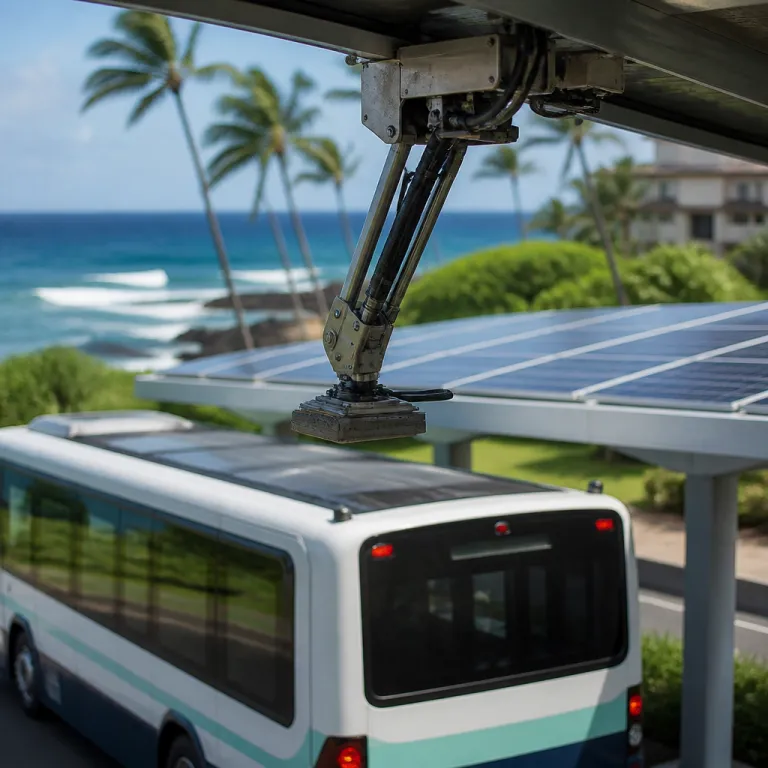
The KIUC model and why luxury travelers should care
Kauai’s clean energy transition is not a slogan; it is grid-level reality that shapes how you experience the island. On this remote Hawaiian island, the Kauai Island Utility Cooperative, usually called KIUC, has turned a once fragile power system into a resilient network where more than half of annual electricity now comes from renewable sources, with instantaneous peaks far higher on clear days. KIUC’s 2023 annual report notes that the cooperative has exceeded 60 percent renewable generation on an annual basis, with record days surpassing 90 percent, and that shift touches everything from the quiet hum of your air conditioning at night to the way premium hotels talk about their carbon footprint.
KIUC is a member-owned utility cooperative, not a traditional investor-owned utility, and that structure matters because residents vote on the direction of the energy portfolio and the balance between cost-effective tariffs and ambitious climate goals. In a place where diesel once powered almost every kilowatt, the cooperative has partnered with AES Corporation and the National Renewable Energy Laboratory (NREL) to build utility-scale solar farms, battery storage systems and innovative hydro projects that now anchor the island grid. According to KIUC’s public reports and filings with the Hawaii Public Utilities Commission, these projects have pushed Kauai to some of the highest renewable penetration levels in the United States while maintaining reliability for residents and visitors, with performance data and case studies published through KIUC and NREL technical documents.
For travelers, this means that the story of Kauai is no longer only about beaches and canyons, but also about how a small community has reduced its dependence on fossil fuels while keeping lights on for high-end resorts. When you check into a luxury property in Princeville or Poipu, the power behind your suite increasingly comes from solar, hydro and large-scale storage facilities rather than imported fuel oil, and KIUC’s resource plans outline additional projects that will deepen that trend. Understanding that context turns every EV charging stop, every shaded solar carport and every conversation about conservation into part of a larger, island-wide project that you are briefly joining, rather than a series of isolated sustainability gestures.
From solar farms to your suite: how the island runs on sun
Driving from Lihue Airport toward the South Shore, you pass broad fields of panels that look like mirrored taro patches, and those solar arrays are the visible backbone of Kauai’s renewable energy system. Several of these sites are developed with AES Hawaii as part of a long-term portfolio that combines solar generation with battery storage, allowing the grid to shift daytime sunshine into evening power when guests return to their rooms. One flagship example is the Lawai solar installation, a 28-megawatt solar facility paired with 100 megawatt-hours of battery storage that reached commercial operation in 2019 and now feeds the island utility after sunset, a configuration profiled in National Renewable Energy Laboratory case studies and KIUC project summaries.
These projects are not abstract infrastructure for policy reports; they are the reason your ocean-view suite stays cool at night without relying entirely on fossil fuels. KIUC’s collaboration with AES on each storage project has pushed the cooperative toward periods where around 80 percent of electricity demand can be met with renewable resources, using a mix of solar, hydro and advanced batteries that rivals much larger utilities on the mainland and is documented in KIUC performance updates. For a luxury traveler, that means the environmental cost of a long-haul flight is at least partially balanced by staying on an island where the grid is moving faster than the broader State of Hawaii system and even ahead of Hawaiian Electric on some metrics, as reflected in comparative renewable portfolio disclosures.
Resorts have followed the grid’s lead, installing rooftop solar, shaded parking canopies and behind-the-meter storage to smooth their own demand peaks and reduce strain on public infrastructure. High-end properties on Kauai now highlight their participation in KIUC programs in the same breath as they mention spa menus, because energy has become part of the guest narrative rather than a back-of-house detail. If you want a deeper dive into how this shift intersects with high-end hospitality, look for independent analysis of regenerative luxury and hotels that aim to give more than they take, and review property-level sustainability reports that reference KIUC partnerships, commissioning dates and verified performance metrics.
What sustainable luxury looks like on the ground
On Kauai, sustainability is not a bamboo straw in your mai tai; it is the way the entire travel infrastructure is being rewired around a cleaner, more resilient grid. At 1 Hotel Hanalei Bay, for example, the property’s electric Audi e-tron fleet is more than a marketing flourish, because those vehicles plug into a system where solar, storage and hydro already carry much of the load and where KIUC’s renewable portfolio keeps expanding through projects documented in integrated resource plans. Guests can book an Audi for a day of exploring the North Shore, knowing that both the car and much of the charging power are aligned with the island’s shift away from fossil fuels and supported by a cooperative that publishes detailed data on generation mix and emissions reductions.
Across the island, EV charging stations now appear at upscale resorts, trailhead parking areas and some independent restaurants, creating a quiet network that lets you plan a low-emission itinerary without sacrificing comfort. These chargers are fed by the same cooperative grid that has invested heavily in battery storage and water-based hydro systems, and they represent a tangible way the utility’s decisions shape visitor experience, from the timing of fast-charging availability to the reliability of power at remote locations. When you glide back to your hotel after sunset, the power flowing into your vehicle often comes from solar energy captured earlier in the day, stored in large batteries and dispatched precisely when demand rises, a cycle illustrated in KIUC and NREL diagrams of solar-plus-storage operations.
Inside the properties, Kauai’s renewable focus shows up in subtler ways, from smart room controls that trim unnecessary energy use to laundry systems that reduce water consumption without compromising linen quality. Some hotels now share KIUC news updates in their in-room tablets, explaining how the island utility is progressing toward statewide clean energy goals and how guests can participate by timing EV charging or opting into conservation programs that are tracked with measurable indicators. This is where sustainable luxury on Kauai diverges from greenwashing elsewhere, because the narrative is backed by audited shifts in energy, water and land management rather than vague pledges, and by references to public documents such as KIUC annual reports and Hawaii Public Utilities Commission dockets.
Policy, green fees and the cost of clean power
Behind the scenes of Kauai’s energy transition sits a dense layer of policy, regulation and tariffs that quietly shapes what you pay for a room and a rental car. The Hawaii Public Utilities Commission oversees KIUC as it would any regulated island utility, reviewing each major storage project, solar farm and hydro upgrade to ensure that rates remain fair while the cooperative moves away from fossil fuels, with decisions and orders published in publicly accessible dockets. For travelers, the outcome is a grid that is more resilient to fuel price shocks, which helps keep resort operating costs and, indirectly, nightly rates more predictable even when global oil markets are volatile.
Hawaii’s statewide goal of reaching one hundred percent renewable energy is well known, but Kauai’s cooperative structure has allowed it to move faster than other islands in the state system. While Hawaiian Electric manages utilities on Oahu, Maui and the Big Island, KIUC has focused on cost-effective deals with AES Hawaii and other partners, locking in long-term prices for solar-plus-storage that undercut historical diesel generation, as documented in KIUC power purchase agreements and commission filings. Those contracts mean that when global fuel markets spike, Kauai is less exposed, and the savings ripple through everything from hotel electricity bills to the cost of running chilled wine cellars and spa facilities, even if room rates still reflect broader tourism demand and real estate pressures.
On the visitor side, discussions about a so-called Green Fee have centered on using a modest surcharge on tourism to fund environmental infrastructure rather than general revenue. Depending on how such measures are implemented, the money can support beach restoration, invasive species control and water conservation projects that complement the work of the utility cooperative, creating a broader sustainability framework that extends beyond pure energy and is often described in state and county policy briefs. If you want to understand how these fiscal levers intersect with tourism trends and room pricing, look for in-depth reporting on Hawaii tourism headwinds and Kauai stays from independent analysts, and review official budget documents that explain how any adopted visitor fees are allocated.
Planning a stay that aligns with Kauai’s clean energy future
Designing an itinerary around Kauai’s renewable energy leadership is less about self-denial and more about choosing experiences that harmonize with the island’s trajectory. Start by selecting properties that publish clear sustainability reports, reference their participation in KIUC programs and explain how they manage energy, water and waste rather than relying on generic eco labels or unverified claims. When a hotel can articulate its relationship with the island utility, its use of solar power or its investment in on-site storage, and can point to third-party certifications or data sources, you gain confidence that the sustainability narrative is grounded in operations, not just marketing.
Transportation is the next lever, and Kauai makes it unusually easy to align mobility with the grid’s clean shift away from fossil fuels. Opt for an electric rental car where possible, or take advantage of properties like 1 Hotel Hanalei Bay that offer electric Audi e-tron use, then plan your routes around the growing network of chargers tied into KIUC’s renewable portfolio and mapped by rental agencies or hotel concierges. Each time you plug in, you are effectively voting for the cooperative’s long-term strategy of replacing fossil fuel generation with solar, hydro and other clean energy sources that keep the island utility on track, a strategy laid out in KIUC’s long-range planning documents.
Finally, treat conservation programs as part of the luxury experience rather than an optional add-on, whether that means joining a guided reef walk that explains water quality work or supporting local farms that rely on stable, clean power. Many high-end operators now partner with organizations focused on beach restoration and invasive species removal, and your participation helps ensure that the natural assets underpinning Kauai’s appeal remain intact for future visitors and residents. Read the fine print on each booking page, including sections like rights reserved and privacy policy, because the most serious players increasingly use those spaces to outline how guest data, environmental commitments and community relationships are handled with the same care as room design and energy procurement.
FAQ
How much of Kauai’s electricity comes from renewable energy sources ?
KIUC reports that around eighty percent of Kauai’s electricity demand can now be supplied from renewable energy sources such as solar, hydro and battery-supported systems during certain periods, especially on sunny days. Over a full year, the share is lower but still far ahead of many mainland grids, with KIUC’s 2023 annual report citing more than 60 percent renewable generation on an annual basis, and the cooperative continues to add new projects through its long-term resource plans. For travelers, this means that a significant portion of the power used by hotels, restaurants and EV chargers is already decoupled from fossil fuels and backed by verifiable performance data.
What is KIUC and how is it different from other utilities ?
Kauai Island Utility Cooperative, often shortened to KIUC, is a member-owned utility that manages the island’s electricity grid instead of a traditional investor-owned company. This structure gives local residents a direct voice in decisions about new solar farms, storage projects and rate design, which has helped accelerate Kauai’s renewable energy progress and is reflected in board election materials and public meeting minutes. For visitors, KIUC’s approach translates into a more resilient grid and a clearer link between community priorities and the energy that powers luxury properties, from resort suites to fine-dining kitchens.
Can visitors tour Kauai’s solar and storage facilities ?
Access to large-scale solar and storage sites is generally restricted for safety and operational reasons, so formal public tours are limited. However, some educational programs, community open days and school visits are occasionally organized by KIUC or partner organizations, and information about these appears in local news channels or on cooperative communication platforms that summarize project milestones. Even without a tour, you can see major solar fields from public roads and learn about them through interpretive signage, hotel sustainability briefings or KIUC fact sheets that describe capacities, commissioning dates and technology details.
How does Kauai’s clean energy push affect hotel prices ?
Building solar farms, battery storage and hydro upgrades requires significant upfront investment, but long-term contracts with partners like AES Hawaii are designed to be cost-effective compared with historical diesel generation, as outlined in KIUC power purchase agreements and regulatory filings. Over time, reduced exposure to volatile fuel prices can stabilize or even lower the underlying energy component of hotel operating costs, especially when renewable projects lock in fixed pricing for decades. While room rates still reflect land values, labor and demand, the clean energy transition helps insulate the luxury sector from some external shocks and supports more predictable operating budgets.
Is renting an electric vehicle practical for exploring Kauai ?
Renting an electric vehicle is increasingly practical on Kauai, especially for travelers staying at high-end properties that provide on-site charging. The growing network of chargers around the island, many tied into KIUC’s renewable portfolio and listed by rental companies or hotels, allows you to plan day trips without range anxiety while aligning transportation with the island’s decarbonization goals. For guests who want their stay to align with Kauai’s clean energy future, an EV is one of the most direct and visible choices they can make, and its impact is reinforced by the cooperative’s documented progress toward higher renewable penetration.