Why Poipu’s lagoon is the quiet heart of a snorkeling kauai family trip
Poipu Beach Park on the south shore of Kauai is where many luxury family stays quietly pivot from pool time to real reef time. A natural sand bar forms a sheltered lagoon beside the main beach, creating calm water that feels purpose built for a first snorkel adventure with children. For parents planning a snorkeling Kauai family holiday from a high end resort, this is the rare place where safety, beauty and easy logistics align.
The protected inner reef sits on the western side of Poipu Beach Park, inside the curve of the sand spit that links the shore to a small offshore islet. Here the water depth steps gently from ankle deep to around 1.5 metres, so even cautious kids can stand, float and then snorkel while you remain close enough to talk. County of Kauai lifeguards typically watch the main swimming area daily from mid morning to late afternoon (usually around 9:00 a.m. to 5:00 p.m., but always confirm posted hours on arrival), and clear signage explains both water conditions and basic marine etiquette, which reassures families arriving from elsewhere in Hawaii or even the Big Island.
Outside the lagoon, the reef drops into more open sea where currents and swell can change quickly along this coast. That outer zone is better suited to confident swimmers or older teens joining a guided snorkeling tour, while younger children stay inside the calm water corridor. For a snorkeling Kauai family itinerary built around premium hotels on the south shore, Poipu’s layout lets you match each child’s ability to a specific part of the beach without sacrificing the sense of being on a wild Pacific island.
Reading the Poipu reef: where kids should swim, float and learn
Think of Poipu’s reef as three overlapping classrooms, each suited to a different stage of your snorkeling Kauai family journey. Closest to the sand bar, the lagoon floor is mostly sand with scattered coral heads, so children can practice using a snorkel and mask without bumping into fragile reef structures. As they move slightly seaward, the coral becomes denser, the water deepens to around 2 metres, and the marine life suddenly multiplies.
In this middle band, kids often spot schools of yellow tang, Moorish idols and saddle wrasse weaving between the reef fingers, while Hawaiian green sea turtles sometimes glide through on their way along the south shore. Parents should brief children that sea turtles are protected under both state and federal law and that the best snorkeling etiquette is to watch quietly from a distance, never to chase or touch them. Beyond this zone, where the reef edge meets the open sea, currents strengthen and waves can wrap around from the Nā Pali coast direction, so this area is best left to experienced swimmers or guided tours Kauai operators who monitor swell, wind and tide reports each day.
Families staying in luxury properties in Poipu or nearby Koloa can easily plan a half day here before heading inland for a different kind of adventure. When older kids crave a change from the beach, a hike such as those described in this Waimea Canyon trail guide pairs well with a morning in the water. That balance between reef time and ridge line views is what makes a snorkeling Kauai family trip feel like a complete island experience rather than just another Hawaii resort holiday.
What children actually see: marine life, monk seals and teachable moments
For many children, Poipu is the first place where the word reef stops being an abstract concept and becomes a living city under clear water. Even in the shallowest part of the lagoon, they will notice striped sergeant majors, tiny damselfish and goatfish sifting the sand, all part of a marine community that depends on healthy coral. Educational signs near the beach help parents name common species, turning a casual snorkel into a guided lesson without needing a formal tour.
Hawaiian green sea turtles are regular visitors, and spotting one during a snorkel adventure is often the highlight of a snorkeling Kauai family stay. Remind children that these sea turtles need space to breathe and feed, and that the best snorkeling practice is to float calmly at the surface while the animal passes below. Occasionally, endangered Hawaiian monk seals haul out to rest on the sand, and local authorities emphasise a 50 foot buffer zone with ropes or cones, so explain to kids that “Is snorkeling at Poipu Beach safe for young children?” and “What marine life can we expect to see?” sit alongside “Are there facilities available at Poipu Beach Park?” as the three questions every lifeguard hears most often.
Monk seal etiquette is simple but non negotiable for any snorkeling Kauai family group. Keep children behind the marked line, never feed or approach the animal, and if a seal enters the water near your child, calmly guide them away while alerting a lifeguard. When you frame these rules as respect rather than restriction, the beach becomes a place where kids learn that sharing the sea with marine life is a privilege, not a right, and that lesson will travel with them from Poipu to Anini Beach, Tunnels Beach or even the Big Island later in life.
Gear, sunscreen and logistics: how luxury families make Poipu effortless
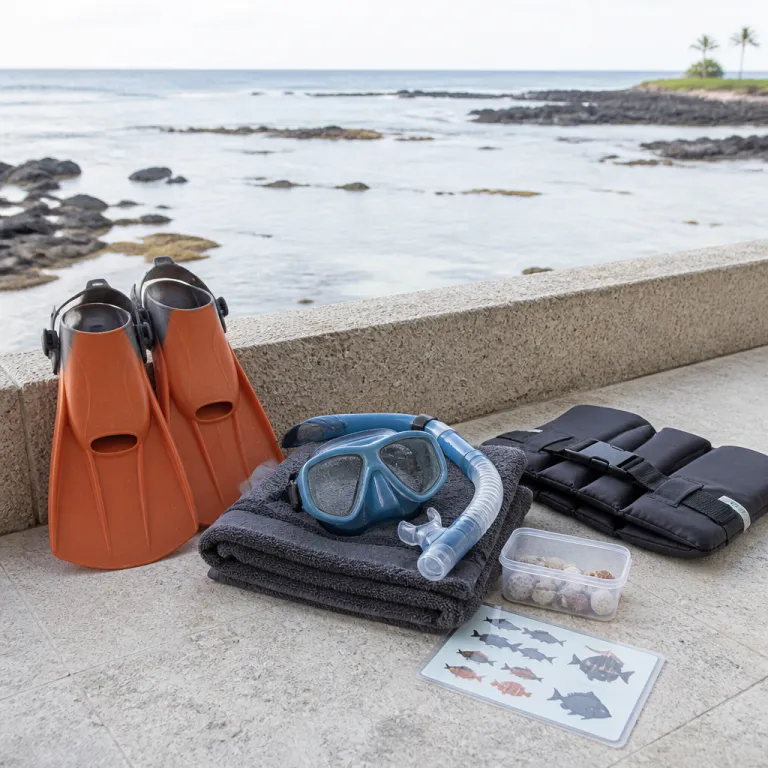
Families arriving at Poipu from high end resorts on the south shore often bring a small caravan of gear, but you can keep things elegant and efficient. Most premium hotels either lend snorkel sets or partner with nearby rental shops, so you can size child masks properly and test the fit before stepping onto the beach. A well fitting mask and a simple snorkel are far more important than fins for young children in shallow water, especially in the protected lagoon.
Hawaii now restricts the sale of sunscreens containing oxybenzone and octinoxate under state law (Hawaii Revised Statutes §342D-21, effective 2021), and luxury properties on Kauai increasingly stock mineral formulas that protect both skin and coral. Apply sunscreen at least 15 minutes before entering the sea, then use long sleeve rash guards and hats on shore to reduce reapplication cycles during a long day. Pack light snacks or even a small box of cookies for quick energy between swims, and remember that Poipu Beach Park offers showers, restrooms and picnic tables, which makes it easy to reset before heading back to your hotel.
For families who like structure, several local operators run gentle snorkeling tours from nearby boat ramps, though most boat based excursions focus on the more dramatic Nā Pali coast or seasonal whale watching rather than the inner Poipu reef. Those tours can be a memorable add on for older children once they have mastered the basics in the lagoon, especially when combined with an inland activity such as the mountain tubing through Kauai’s old sugar canals. Whether you keep the day simple at the beach or layer in a tour, the key is to let the rhythm of the water, not the hotel schedule, set the pace of your snorkeling Kauai family experience.
Quick safety checklist for Poipu with kids
- Check the lifeguard tower for current conditions, posted hours and any hazard flags before entering the water.
- Keep young children inside the protected lagoon and within arm’s reach, especially during their first snorkel session.
- Use U.S. Coast Guard approved flotation vests for weaker swimmers rather than inflatable toys or pool noodles.
- Give all marine animals space: at least 10 feet for turtles and 50 feet for resting monk seals on the sand.
- Agree on a clear meeting point on shore in case anyone becomes separated in the crowd.
Essential gear checklist for a family snorkel day
- Properly fitted masks and simple snorkels for each child, plus an extra set in case of broken straps.
- Reef safe, mineral based sunscreen and long sleeve rash guards for sun protection in and out of the water.
- Lightweight towels, a change of dry clothes and a small dry bag for phones, keys and room cards.
- Reusable water bottles, easy snacks and a compact beach mat or blanket for the grassy area behind the sand.
- Reef friendly water shoes or sandals for walking across hot sand and rocky sections near the shoreline.
Beyond Poipu: when kids graduate to deeper reefs and wilder coasts
At some point in a longer stay, confident young snorkelers will be ready to explore beyond Poipu’s lagoon while still keeping the snorkeling Kauai family focus. Koloa Landing, a short drive away, offers deeper entry and more complex reef structures, better suited to older children who are comfortable swimming over 3 to 4 metres of water. On calm days, guided snorkel tours here can reveal richer marine life, though parents should always check current water conditions with local operators or lifeguards before committing.
Further afield, Tunnels Beach on the north shore is often cited as one of the Kauai best sites for experienced snorkelers, with lava tubes and arches that attract both fish and advanced underwater photographers. However, this stretch of coast is exposed, and swell can be significant, so it is not the place to improvise with small children or to chase the idea of best snorkeling at any cost. Families based on the north side of Kauai should treat Tunnels as a special outing for strong swimmers, while using Anini Beach, with its long protective reef, as the everyday training ground.
Back on the south side Kauai, many luxury travelers pair reef time with wellness days at oceanfront spa resorts, using guides such as this Kauai luxury spa resort overview to choose the right property. That mix of soft adventure and restorative comfort is what defines a modern snorkeling Kauai family itinerary, where a morning in the sea is followed by an afternoon massage while the kids nap. As you move between coasts, remember that every island in Hawaii, from Kauai to the Big Island, asks the same thing of visitors : read the reef, respect the wildlife and leave the water a little better than you found it.
Respect, rules and the fine print that keeps Poipu special
Luxury travel often glosses over the small rules that quietly protect places like Poipu, but a thoughtful snorkeling Kauai family trip pays attention to them. Start with simple in water behaviour : no standing on coral, no feeding fish, no chasing sea turtles or other marine life, and no collecting shells or rocks from the reef. Teach children that every touch can damage coral polyps that took decades to grow, and that the best souvenir is a memory, not a fragment of the sea floor.
On shore, respect posted signs around monk seals, follow lifeguard instructions and keep noise low near resting wildlife, even when the beach feels busy. Many premium hotels on Kauai now include short briefings about marine conservation at check in, and some even host evening talks with local experts, which can deepen a snorkeling Kauai family experience beyond the water. Before booking any tours Kauai wide, read each operator’s environmental commitments and their privacy policy carefully, then choose companies that limit group size and avoid sensitive areas during spawning or whale watching seasons.
Digital details matter too, especially for families planning from the mainland United States. When you click link buttons on hotel or tour websites, check how they handle cookies and personal data, and favour brands that explain their policies in clear language. Those small acts of discernment mirror the choices you make on the beach, and together they shape a version of Hawaii where high end travel, healthy reefs and child friendly education can coexist, ensuring that the next snorkeling Kauai family standing on Poipu’s sand bar finds the same calm water and vibrant reef waiting for them.
FAQ
Is snorkeling at Poipu Beach safe for young children?
Poipu Beach Park offers a naturally protected lagoon with shallow, calm water that is well suited to young children learning to snorkel. Lifeguards are usually present near the main swimming area during posted hours, and the gradual depth progression lets parents stay close while kids practice. Always check daily water conditions with the lifeguards before entering the sea, especially if swell is forecast along the south shore.
What marine life can we expect to see with kids in the lagoon?
In the inner lagoon, children typically see colourful reef fish such as tangs, wrasse and butterflyfish moving between scattered coral heads. Hawaiian green sea turtles sometimes pass through slightly deeper sections, and monk seals may be resting on the sand above the high tide line. Remind kids to watch quietly from a distance and never to touch or chase any marine life, even when animals seem curious.
Are there facilities available at Poipu Beach Park for families?
Poipu Beach Park is well equipped for a full family day, with restrooms, outdoor showers, picnic tables and shaded grassy areas behind the sand. Nearby shops and cafés make it easy to pick up snacks, extra water or forgotten gear between snorkel sessions. Parking can fill quickly during peak periods, so arriving early helps secure a convenient spot close to the beach.
How should we prepare our children for their first snorkel adventure?
Start by letting kids practice breathing through a snorkel in a pool or bathtub before your trip, so the equipment feels familiar. At the beach, choose a well fitting child mask, apply reef safe sunscreen well before entering the water and use a flotation vest if they are not strong swimmers. Keep the first session short, stay within arm’s reach and focus on making the experience fun rather than covering distance.
When are older kids ready to move beyond Poipu’s lagoon?
Older children are usually ready for deeper reefs such as Koloa Landing or Anini Beach once they can swim confidently over 3 to 4 metres of water without touching the bottom. They should also demonstrate good snorkel skills, calm behaviour around wildlife and the ability to follow instructions in changing conditions. Before heading to places like Tunnels Beach or joining a boat based snorkeling tour, consult local experts about current swell and choose days with the most stable water conditions.