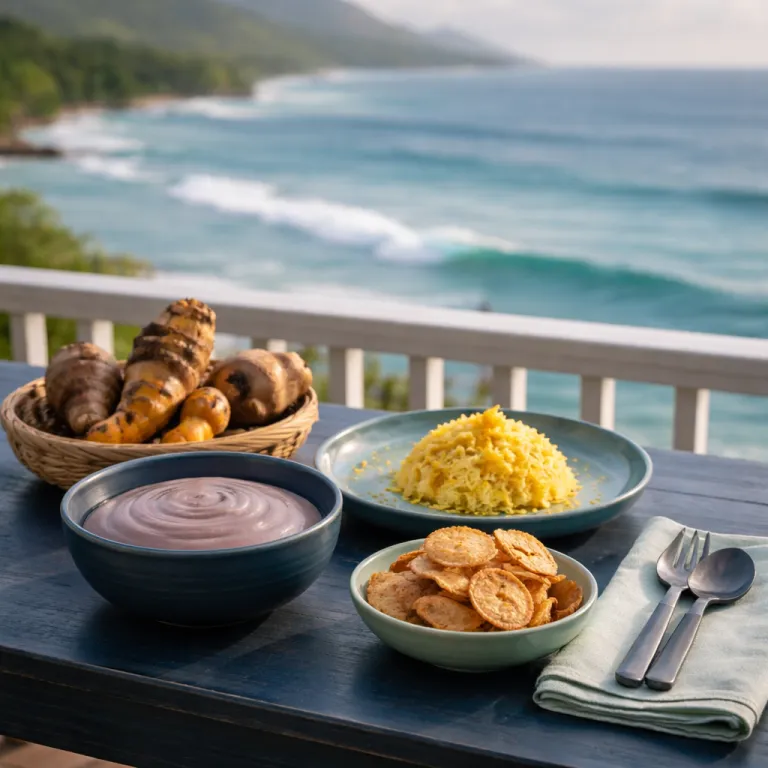
Why kauai local food culture now defines true luxury on the island
On Kauai, luxury is no longer measured only in thread counts and ocean views. It is measured in how your hotel connects you to kauai local food culture, from the taro farmer in Hanalei to the fisherman landing fresh fish at dawn. The most coveted suites are now the ones that open directly toward an ahupuaʻa, where mountain and sea still shape what you eat.
The island’s isolation makes importing ingredients expensive, so genuine locavorism is not a trend but an economic necessity that quietly rewrites every restaurant menu. When you eat Kauai style in a serious property, you are tasting a supply chain that runs through dozens of small farms and the neighborhood markets where fishermen sell the day’s ahi. This is why the best hotels treat every plate of Kauai food as a map of the island, not a generic resort buffet.
For travelers using a luxury and premium hotel booking website focused on Kauai, this shift matters because it separates marketing from meaning. A property that simply lists poke bowls and fish tacos on its poolside menu is not engaging with kauai local food culture in any deep way. The leaders are the hotels that can tell you which valley your taro came from and why the poi tastes different after the rain, drawing on relationships with growers in places like Hanalei and Waipā rather than anonymous distributors.
From farm-to-table to ahupuaʻa-to-table
Long before farm to table became a slogan, Kauai’s ahupuaʻa land divisions organized food systems from ridge to reef. Today, the most thoughtful luxury hotels quietly rebuild their sourcing around this model, working with farmers, fishermen and local chefs who understand how water, soil and reef interact. When you find a place that can explain this lineage while you eat, you have found a hotel that respects kauai local food culture rather than borrowing its language.
Solo travelers should look for properties that publish detailed sourcing notes, not just pretty photos that someone shares on Facebook. Ask which local market supplies their fresh fish, which valley their turmeric or ginger comes from and whether their pulled pork is cooked in a traditional imu or only smoked in a modern oven. The answers will tell you more about the hotel’s values than any spa brochure or room category chart, and they often reveal partnerships with specific farms or fishing families.
On the north shore, for example, a few high end resorts now integrate visits to nearby farms into their stay packages. Guests can walk through loʻi kalo, talk with growers and then return to a restaurant where the same taro appears as nut crusted croquettes beside line caught ahi. One Hanalei farmer recently told a hotel group, “If you serve this kalo, you are serving our whole valley.” That is kauai local food culture translated into a luxury experience that feels grounded rather than staged.
Where luxury hotels meet taro fields, fish markets and food trucks
The most interesting culinary experiences for high end guests now happen in the spaces between polished resort dining rooms and humble roadside food trucks. A serious hotel concierge will send you to Waipā Foundation on the north shore in the morning, then to a Hanalei food truck cluster for fresh poke bowls at lunch. This is how kauai local food culture becomes a lived itinerary rather than a themed dinner.
At Waipā, visitors see how taro is cultivated and why traditional Hawaiian staples like poi, laulau and kalua style pulled pork still anchor the island’s diet. One local explanation captures the nuance perfectly: “the poi tastes different after the rain” — a reminder that even a familiar food changes with the valley’s mood. When a hotel partners with such producers, your plate lunch of rice, macaroni salad and grilled fish carries the story of the field as clearly as any menu description.
Luxury travelers should not underestimate the role of modest venues in shaping serious cuisine. A small Kapaʻa market selling fresh poke can influence what appears later that evening in a resort restaurant that prides itself on serving the best ahi tartare. When you eat Kauai style across both settings, you start to understand how kauai local food culture flows from ice filled coolers at dawn to white tablecloths at dusk, tracing a continuous line from fishermen to chefs.
From shave ice stands to hula pie at keoki’s paradise
Even classic treats like shave ice and hula pie now sit inside a more thoughtful narrative about ingredients and place. A hotel that sends you only to the nearest tourist shave ice stand is doing the bare minimum, while a property that explains which syrups use real fruit and which ice textures locals prefer is curating culture, not just sugar. The same applies when they recommend a slice of macadamia nut crusted hula pie at Keoki’s Paradise after a day of hiking.
On a hot afternoon, a walk from your resort to a family run shave ice counter can be as revealing as any formal tasting menu. You will hear which flavor combinations are a local favorite, which spots on the island quietly serve the best ice cream and how long each place has been part of the community. These conversations, not just the desserts, are what elevate a simple snack into a premium cultural experience that reflects everyday island life.
For solo explorers, this means asking your hotel for options beyond the usual suspects like Kalapaki Joe’s sports bar or the nearest puka dog stand. There is nothing wrong with a casual puka dog or a plate of fish tacos at a beach bar, but the properties that truly understand kauai local food culture will also point you toward farmers’ markets, evening food trucks and small restaurants where chefs experiment with turmeric, taro and fresh fish in equal measure.
How leading chefs and hotels translate kauai local food culture to the plate
The chefs driving Kauai’s culinary renaissance are not chasing trends; they are rebuilding relationships with land and sea. Roy Yamaguchi’s Eating House 1849, the Merriman’s team and younger projects like Namaka in Kapaʻa all treat the island as their primary pantry. When luxury hotels align with these kitchens, guests gain access to kauai local food culture interpreted at a very high level.
At Eating House 1849, the menu reads like a conversation between plantation era influences and contemporary technique. You might eat nut crusted fresh fish with a citrus soy sauce that nods to Japanese immigrants, followed by a refined loco moco that turns a humble plate lunch into something worthy of a wine pairing. This is where kauai food history, from pre contact staples to plantation recipes, becomes a coherent narrative for travelers who care about context.
Nearby, Merriman’s in Poipu works closely with farmers and fishermen, often highlighting which north shore valley or coastal area produced each ingredient. Ahi appears raw in poke bowls, seared over kiawe wood or tucked into delicate fish tacos, each preparation emphasizing a different facet of the same fish. When your hotel books a chef’s counter here and arranges transport, it is not just a dinner reservation; it is a curated lesson in kauai local food culture.
Room service, pool menus and the quiet test of authenticity
Where hotels often reveal their true philosophy is not in the flagship restaurant but in the casual corners. Look at the poolside menu: does it offer generic burgers and anonymous poke, or does it name the market that supplied today’s fresh fish and the farm that grew the salad greens? When room service lists loco moco, does it taste like a thoughtful homage or a heavy afterthought, and can staff explain who supplies the eggs, rice and beef.
Some of the most forward thinking properties now integrate small plates inspired by food trucks into their lounge offerings. You might find a refined version of pulled pork sliders, a bowl of ahi poke that mirrors a beloved Hanalei stand or fish tacos built on locally milled corn tortillas. These touches let guests eat Kauai flavors without leaving the property, while still encouraging them to explore the island’s independent food scene.
For solo travelers, this is where a luxury and premium hotel booking website focused on Kauai can be invaluable. Detailed property profiles that explain how each hotel engages with kauai local food culture — from partnerships with Waipā Foundation to collaborations with Eating House 1849 — help you choose more intelligently. You are not just comparing spa menus and suite sizes; you are choosing how deeply you want your stay to taste of the island.
Designing an itinerary where every meal earns the view
On Kauai, the most rewarding itineraries pair serious hiking and paddling with equally thoughtful eating. A morning spent on the trails above Waimea Canyon, perhaps following one of the routes that truly earns the panorama, feels different when you know your post hike meal supports the same ahupuaʻa you just walked through. This is where kauai local food culture turns from background texture into the spine of your trip.
Imagine starting the day with a simple breakfast of fresh fruit from a local market, then heading out on a ridge hike recommended in a specialist guide to Waimea Canyon and beyond. After hours on the trail, you return to a hotel that has already reserved a table at a restaurant known for the best fresh fish and thoughtful use of island grown turmeric and leafy greens. The arc from field to canyon to plate becomes seamless, and every bite of poke or grilled ahi feels earned.
Even casual stops can be curated with the same care as a tasting menu. Your concierge might suggest a north shore detour for Hanalei food trucks that serve exemplary poke bowls, or a low key spot where the loco moco rivals any fine dining comfort dish. Later, a sunset drink at Keoki’s Paradise with a shared slice of macadamia nut hula pie can close the day in a way that feels indulgent yet still rooted in kauai local food culture.
Practical cues for booking culturally serious luxury stays
When you scroll through a luxury hotel listing, read the food section as closely as the spa description. Does the property mention partnerships with farmers, fishermen and culinary schools, or does it only highlight themed buffets and imported steaks? A hotel that respects kauai local food culture will usually reference plate lunches, traditional Hawaiian dishes and local markets alongside its fine dining options.
Ask specific questions before you book, especially if you travel solo and rely heavily on the property’s guidance. Where do they recommend you eat Kauai style outside the resort, which food trucks they consider a favorite and how they support sustainable seafood practices with their fresh fish sourcing. The clarity and enthusiasm of their answers will tell you whether their commitment is real or just a marketing line.
Finally, remember that luxury on this island is less about excess and more about alignment. A stay that pairs a quiet room with an opens window toward the mountains, a breakfast built on local produce and a dinner shaped by chefs who understand the ahupuaʻa model will linger longer than any generic five star checklist. In Kauai, the best hotels are the ones that help you eat the island thoughtfully, one plate at a time.
Key figures shaping kauai local food culture
- Kauai supports a large network of small farms and family producers, according to local agricultural agencies, giving luxury hotels an unusually deep pool of nearby partners for fresh fruit, vegetables and taro.
- Visitor surveys from the Hawaii Tourism Authority in recent years indicate that a significant share of travelers now cite food and dining as a primary reason to visit Kauai, which pushes high end properties to refine restaurant concepts and sourcing strategies.
- The island’s ongoing blend of pre contact Hawaiian cuisine, plantation era influences and contemporary fusion cooking means guests can eat traditional dishes like laulau and poke alongside modern interpretations in the same trip.
- Year round growing conditions across Kauai’s diverse microclimates allow restaurants and hotels to feature fresh fish, taro and tropical produce on menus in every season, reinforcing the island’s reputation for authentic local food.