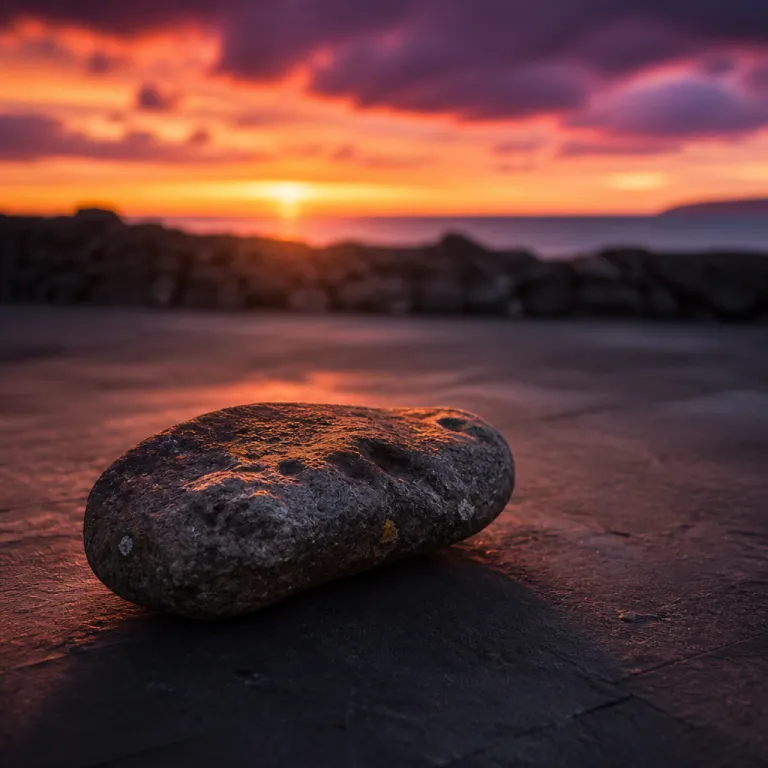
Staying in Kauai for heiau and sacred sites along the Wailua River
Luxury travel on Kauai feels different when you plan around heiau and sacred sites rather than just the next infinity pool. High end resorts near the Wailua River place you within minutes of the Wailua complex of ancient Hawaiian temples, so your sunrise can shift from buffet line to river mist rising over stone terraces. For a solo explorer, choosing a hotel on this island becomes a decision about how close you want to sleep to a living religious landscape.
The Wailua River is the only navigable river in Hawaiʻi, and its lower valley holds one of the most important cultural sites in the Hawaiian Islands. Hawaiʻi State Parks materials describe how Native Hawaiians built a series of major heiau here, creating a complex of sacred platforms that once anchored political power and spiritual ceremony across Kauai. When a heiau is located this close to your suite, the line between vacation and pilgrimage starts to blur in a way that rewards slow, attentive travel.
Stay on the east side and you can walk from your hotel to the Wailua River State Park corridor in under thirty minutes, or drive five to ten minutes if you prefer air conditioning and a late start. This stretch of Kauai is not about a single site but about related heiau layered from the shoreline to the hills, each one a different place in a larger cultural narrative. Think of your hotel as a quiet base camp, with the concierge acting less as activity broker and more as a guide to which sacred place suits your energy that day.
Many premium properties now brief guests on cultural etiquette before they visit any heiau or historic landmark. You will hear the same core advice repeated with calm insistence: respect sacred sites, do not move stones, follow local guidelines. As one cultural practitioner quoted in Bishop Museum programming notes puts it, “When you enter a heiau, you are stepping into someone else’s prayer.” For a traveler used to curated experiences, this emphasis on restraint rather than access can feel unusual at first, yet it is exactly what protects these religious spaces from becoming just another stop on a tour bus loop.
The Wailua complex, Holoholoku Heiau and the royal birthstones
For travelers booking a stay near Wailua, the Wailua complex of heiau is the spiritual spine of the coastline. Here, a series of cultural sites step back from the Wailua River toward the interior, with Holoholoku Heiau and the royal birthstone enclosure of Pōhaku ʻŌhanu forming a particularly powerful pairing. This is where the island’s aliʻi, or chiefs, once anchored their lineage, making the area one of the most revered religious landscapes in all of Hawaiʻi.
Holoholoku Heiau sits just inland from the river, a low stone platform that reads as modest until you understand its role in ancient Hawaiian politics. The nearby royal birthstone, known as Pōhaku ʻŌhanu, is part of a small complex where chiefly children were born to secure their status across the Hawaiian Islands, and interpretive signs in the state park help you read the stones as text rather than scenery. When you stand quietly between the heiau and the birthstone, the hum of traffic fades and the site feels like a place of concentrated memory rather than a simple park.
Parking for Holoholoku Heiau and the birthstones is in a small paved lot just off Kuamoʻo Road, with daytime access generally aligned with Wailua River State Park hours; check Hawaiʻi State Parks notices for current opening times, temporary closures and any permit updates. Luxury hotels along this stretch of Kauai increasingly weave the Wailua complex into their guest programming, from guided dawn walks to private car transfers timed around the softer light. If you are researching where to stay, look for properties that reference the Wailua River heritage in more than just brochure language and consider this in depth piece on the island’s most famous ruin and deferred redevelopment plans as a case study in how not to treat a sacred place. Choosing a hotel that supports preservation efforts rather than just marketing proximity to a national historic corridor is one of the most meaningful decisions you can make as a visitor.
When you visit Holoholoku Heiau or any nearby heiau, move slowly and keep your camera down until you have read the on site guidance. Some areas are explicitly marked as off limits for photography or for walking, and even in unmarked zones it is wise to avoid stepping on stones or walls that form part of the original complex. Think of yourself as entering a functioning outdoor temple rather than a ruin, because for many Hawaiian families this is still a place of prayer, not a backdrop.
Hikinaakala Heiau, Lydgate Beach Park and the meeting of sea and stone
Down at the shoreline, the relationship between beach and temple becomes tangible at Hikinaakala Heiau near Lydgate Beach Park. This coastal heiau, whose name evokes the rising sun, once formed part of a larger complex of religious structures that watched over the mouth of the Wailua River and the open Pacific beyond. Today, the remaining stones sit just inland from the sand, a reminder that even a family friendly beach park can be layered over an ancient Hawaiian ceremonial ground.
Hikinaakala Heiau is thought to have been oriented toward the eastern horizon, aligning ritual life with the daily rising sun in a way that tied celestial cycles to the rhythms of the island. Interpretive panels in the adjacent park explain how this site connected to the inland Wailua complex, forming a chain of related heiau from the beach to the uplands that structured both spiritual practice and political authority on Kauai. Walking from the surf at Lydgate Beach to the heiau located just beyond the trees, you feel how little distance separated everyday life from religious ceremony in traditional Hawaiʻi.
For luxury travelers, staying near this stretch of coast means you can swim in a protected beach park lagoon in the afternoon and then stroll quietly to Hikinaakala Heiau at golden hour, when the light softens and the stones hold the day’s residual warmth. Parking is available within Lydgate Beach Park, and the heiau is reached by a short walk on established paths; follow any posted signs about restricted areas and seasonal closures. Hotels that understand the cultural weight of these sites will often partner with local practitioners to offer gentle orientation walks rather than performative rituals, and this kind of programming is worth prioritizing when you book. To deepen your context before you arrive, read a detailed guide to the Wailua heritage trail, which traces how Hawaiian aliʻi once moved between river, heiau and sea along this same corridor.
As you move between Lydgate Beach, the river mouth and the heiau, keep in mind that this is not a place for beach games or yoga poses on the stones. Stay on marked paths, avoid climbing any walls or platforms, and resist the urge to rearrange rocks even if they look loose or out of place. The integrity of these cultural sites depends on thousands of small decisions by visitors each year, and your restraint is part of that quiet preservation work.
Polihale, star navigation and stargazing from Kauai’s luxury retreats
On the west side of Kauai, far from the Wailua River and its green valley, Polihale feels like the island’s edge in every sense. The long beach stretches for kilometres, backed by dunes and cliffs that catch the last light over Hawaiʻi, and local tradition holds this as a place where souls depart for the afterlife. Standing here at dusk, with the trade winds dropping and the sky deepening, you understand why this remote beach is spoken of as a place of passage rather than just another sunset spot.
Polihale State Park sits near the end of a rough unpaved road, beyond most resort zones, yet it anchors a wider cultural geography that links sea, sky and spirit across the Hawaiian Islands. Hawaiʻi State Parks advisories often note that access can be limited by weather or maintenance, so check conditions, opening hours and any vehicle recommendations before you go. Ancient Hawaiian star navigators once read this same horizon to move between island groups, and contemporary cultural education programs on Kauai are reviving that knowledge through canoe voyages and night sky workshops. The area’s minimal light pollution makes it one of the island’s finest natural observatories, turning any clear night into an informal planetarium where constellations used for navigation, agriculture and ceremony emerge with startling clarity.
Luxury and premium hotels on Kauai’s north shore and west side are beginning to lean into this dark sky advantage, offering stargazing sessions that frame astronomy through Hawaiian cultural lenses rather than generic science talks. When you evaluate properties, look for experiences that connect star stories back to heiau and sacred sites, explaining how alignments with the rising sun or specific constellations shaped ritual calendars at places like Hikinaakala Heiau or Holoholoku Heiau. One thoughtful trend to watch is how new developments, such as the high end resort project analysed in this preview of Kauai’s evolving hotel scene, are handling exterior lighting and view corridors to protect night sky quality.
For a solo traveler, some of the most affecting moments on the island happen not at midday viewpoints but under a starlit sky, whether from a quiet resort lanai or a guided night walk near a state park. Pack a light jacket, turn off your phone’s flashlight and let your eyes adjust for at least fifteen minutes before you start tracing constellations. In that interval, the island’s silhouette sharpens, the surf becomes louder and the connection between celestial navigation and the grounded stones of each heiau feels almost physical.
Etiquette, places of refuge and choosing hotels that honour Kauai’s sacred landscape
Understanding etiquette at Kauai heiau sacred sites is not an optional extra for luxury travelers, it is the baseline for being allowed into the story. A heiau is an ancient Hawaiian temple used for religious ceremonies, and while some once functioned as a luakini heiau for major state rituals and others as a puʻuhonua, or place of refuge, all share a level of sanctity that demands more than casual respect. When you walk into any of these cultural sites, you are entering a space shaped by centuries of prayer, political decision making and community labour.
On the ground, etiquette starts with simple acts: stay on established paths, do not sit or stand on walls, and never treat a heiau platform as a picnic spot or viewpoint. Many heiau within the Wailua complex and other national historic or state park areas are clearly signed, yet some smaller sites on the island remain unmarked, which is why you should avoid wandering off trail or exploring stone structures without context. If you are unsure whether a place is a historic landmark or just a scenic overlook, err on the side of caution and ask a local guide or your hotel’s cultural advisor before approaching.
Hotel choice plays a quiet but significant role in how these places are treated, because properties that invest in cultural training tend to produce guests who move more thoughtfully through the island. When you research where to stay on Kauai, look for mentions of partnerships with practitioners, support for preservation efforts and programming that frames heiau as living religious spaces rather than as Instagram backdrops. Some of the most responsible hotels will even decline to arrange certain off trail excursions, explaining that not every sacred site is appropriate for visitor access, and that restraint is a mark of respect rather than a lack of service.
For a solo explorer, this approach creates a different rhythm to the trip, one where a morning at a beach park or river lookout is balanced by an afternoon spent quietly reading interpretive panels at a heiau located just beyond the car park. You start to notice how the island’s network of sacred and secular places interlock, from the Wailua River valley to Polihale’s horizon line, and how your presence can either support or erode that balance. In the end, the most luxurious thing you can bring to Kauai’s heiau and sacred stones is not a premium room key but an attentive, unhurried way of moving through their space.
FAQ about Kauai heiau sacred sites and luxury stays
What is a heiau and why are they important on Kauai?
A heiau is an ancient Hawaiian temple used for religious ceremonies, built from carefully placed stones and often aligned with natural features or celestial events. On Kauai, heiau within the Wailua complex and other valleys formed the spiritual and political backbone of the island, anchoring decisions about agriculture, warfare and leadership. Bishop Museum research notes that these structures also encoded astronomical knowledge, so visiting them offers a rare window into how Native Hawaiians organised their society around both land and sky.
Can visitors access heiau sites while staying at luxury hotels?
Yes, visitors can access several heiau sites from major resort areas, especially near the Wailua River and along the east coast. Many luxury and premium hotels now coordinate guided visits or provide detailed maps so guests can reach cultural sites such as Holoholoku Heiau, Hikinaakala Heiau and the royal birthstone enclosure without trespassing on private land. The key is to follow posted guidelines, stay on marked paths and treat each site as an active place of worship rather than a ruin.
How should I behave at Kauai’s sacred stones and cultural sites?
Behaviour at these locations should be quiet, restrained and observant, with no climbing on walls, no moving of stones and no loud conversations or music. Avoid eating, drinking alcohol or posing for playful photos on or near temple platforms, and always respect any areas marked as kapu, or off limits. If in doubt, watch how local visitors move through the space and mirror their level of formality and care.
Which part of Kauai is best for combining luxury stays with sacred site visits?
The east side around Wailua offers the densest concentration of accessible heiau, cultural sites and river views, all within a short drive of upscale hotels. From here you can reach the Wailua complex, Holoholoku Heiau, Hikinaakala Heiau and Lydgate Beach Park in a single day without rushing. Travelers with more time often add a west side excursion to Polihale for its spiritual associations and exceptional stargazing, returning to their resort after dark.
Are there guided experiences that connect stargazing with heiau traditions?
Several Kauai based cultural practitioners and tour operators now offer night sky experiences that weave Hawaiian star navigation, agricultural timing and temple alignments into a single narrative. Luxury hotels on the north shore and west side sometimes host these programs on property, using their dark sky conditions to frame constellations that once guided voyaging canoes between the Hawaiian Islands. When booking, ask specifically whether the experience explains links between the rising sun, star paths and the orientation of nearby heiau, so you gain more than a generic astronomy talk.
Sources for further context
Hawaiʻi State Parks – official information on Wailua River State Park, Polihale State Park and heiau access, including current hours, parking details and any permit requirements.
National Park Service – background on Hawaiian national historic sites, cultural preservation practices and guidance on visiting sacred landscapes respectfully.
Bishop Museum – research and exhibitions on Native Hawaiian religion, celestial navigation and temple architecture, plus practitioner voices that deepen understanding of heiau protocol.