A Kauai Coffee Plantation Tour That Reshapes Your Sense of Scale
A kauai coffee plantation tour that reshapes your sense of scale
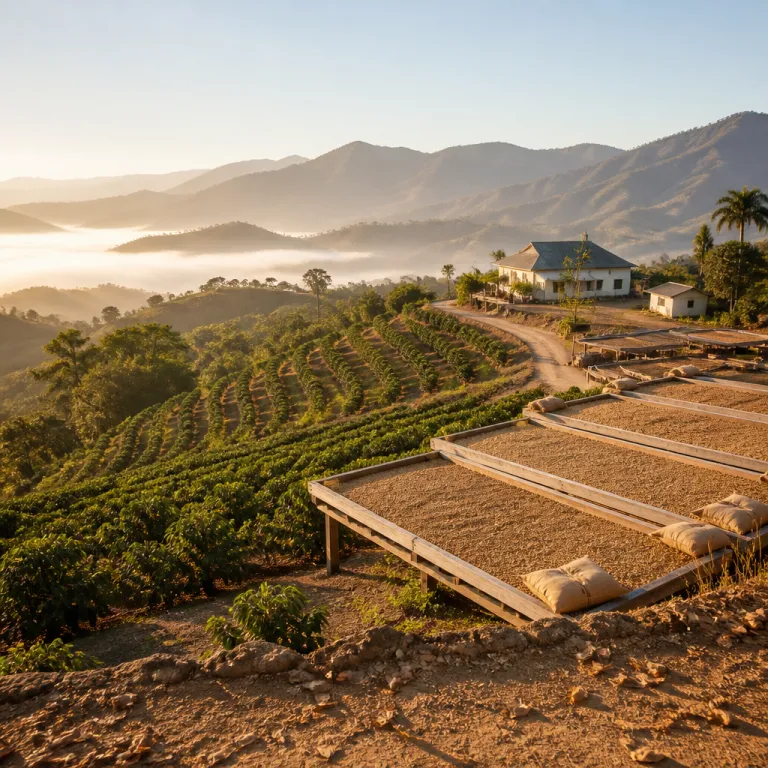
Stand on the hillside above Kalaheo and the first thing you notice is the sheer sweep of green, an ocean of coffee trees rolling toward the south shore. This is the Kauai Coffee Company estate, a 3,100 acre coffee plantation where more than four million coffee trees form the largest single coffee estate in the United States1 and turn a simple visit into a study in modern Hawaiian agriculture. For luxury travelers who usually move between infinity pools and tasting menus, this working coffee farm opens a window onto the industrial heart that quietly powers the island.
The location matters as much as the numbers, because the estate stretches from about 150 to more than 300 metres above sea level across former McBryde Sugar Company land that once defined plantation life on Kauai. Today the same slopes host rows of Yellow Catuai, Typica and Mundo Novo coffee trees, each varietal responding differently to the south shore breeze, volcanic soil and filtered light that shape the character of the coffee beans. Walking the farm roads on a self guided walking tour, you feel how the contours of the land still dictate where water flows, how coffee grown in each block ripens and why unified control over the property is the best insurance for consistent quality.
For couples staying in high end hotels in Poipu or Koloa, the short drive to Kalaheo turns a lazy morning into a quietly fascinating cultural experience. A kauai coffee plantation tour here is not a staged attraction but a functioning Kauai Coffee Company operation, where open air trucks move between blocks and the scent of fresh roast hangs over the visitor center. You are not just a coffee visitor in a themed park; you are stepping into the daily rhythm of a Hawaiian coffee estate that ships its coffees far beyond Hawaii yet still feels rooted in this one hillside.
From sugar fields to single estate coffee farm
Long before the first seed cup of Kauai Coffee was poured, this hillside above Kalaheo was carved into cane fields for the McBryde Sugar Company. When global sugar prices shifted and the industry contracted, the land did not go fallow; it transitioned into a coffee farm that could keep local jobs while aligning with a new generation of travelers who care about where their cup comes from. That plantation to cup narrative is what gives a kauai coffee plantation tour its depth, because you are walking through layers of economic history rather than a curated stage set.
Today the coffee company manages the entire coffee estate as a single integrated system, from nursery to harvest to roast, which is what the term single estate really means in practice. Coffee grown on these 3,100 acres is tracked block by block, allowing the team to separate lots of Yellow Catuai or Typica that show exceptional sweetness or structure and roast them as limited coffees that rarely leave the on site shop. For travelers used to wine estates in Napa or Bordeaux, this level of control feels familiar, yet the Hawaiian coffee context and the scale of the coffee plantation make it uniquely Kauai.
As you follow the self guided path past the drying decks and processing equipment, informational panels quietly explain how the shift from sugar to coffee reduced water use and opened opportunities for more sustainable practices. The estate partners with local farmers and agriculture organizations, and the emphasis on renewable resources is visible in irrigation lines, wind exposure management and soil care rather than just marketing language. If you are already planning to explore Kauai’s broader food identity, pair this visit with a deep dive into local taro and turmeric farming through this guide to regrowing Kauai’s food identity to see how the island is rebalancing its plate from plantation exports to island grown staples.
Inside the tour: walking the rows, tasting the roast
The estate is typically open daily from 9:00 a.m. to 5:00 p.m. (hours can change seasonally; confirm on the official Kauai Coffee Company website before you drive), and the rhythm of a kauai coffee plantation tour is deliberately unhurried. Self guided walking tours are free, which means you can arrive from your hotel when the light feels right, wander the coffee trees at your own pace and linger over as many coffees as you like in the tasting area. For couples who prefer structure, guided tour departures during the day turn the same walking tour into a more technical farm tour that follows the coffee beans from branch to drying bed to roaster.
At the Kauai Coffee Company visitor center, staff will remind you of the practicalities that matter on a working coffee farm: wear comfortable walking shoes, bring sun protection and arrive early if you want a spot on a guided tour. One panel states it plainly for anyone still hesitating about logistics: "Self-guided tours are free; guided tours may have a fee." As of 2024, guided walking tours generally start around $25 per adult and can be reserved directly through the official Kauai Coffee Company website’s tour booking page (check current pricing and availability before your visit). The combination of a free self guided option and a more detailed guided tour makes it easy to fit the experience between a late breakfast and an afternoon at the pool.
Once you step into the tasting room, the narrative shifts from agriculture to sensory detail, and this is where the kauai coffee plantation tour becomes personal. You might start with a medium roast estate blend that balances chocolate and toasted nut notes, then move to a lighter roast of Typica that shows more citrus and floral character, before finishing with a darker roast that leans into caramel and smoke. Each cup is poured from coffee grown on the same coffee estate you just walked through, and the staff encourage you to compare how different roasts and varietals express the same Hawaiian coffee terroir, which is a rare level of traceability in Hawaii.
Harvest season, varietals and what to taste on site
Timing your kauai coffee plantation tour can change what you see, especially if you are fascinated by the harvest itself. From roughly early autumn through mid winter, coffee trees across the estate carry red coffee cherries, and you may watch crews move through the rows or see mechanical harvesters at work on the gentler slopes. Outside that window, the focus shifts to pruning, flowering and the slower work of nurturing coffee grown for the next season, which still makes a walking tour compelling if you care about how a coffee farm breathes across the year.
To make planning easier, think of the harvest calendar in three broad phases: flowering often appears in late winter to early spring, green cherries swell through late spring and summer, and peak picking on the Kauai Coffee Company estate usually runs from about September through December1. Visiting during harvest increases your chances of seeing processing equipment in motion, but even in quieter months the contrast between lush rows of trees and the south shore coastline gives a kauai coffee tour plenty of visual drama.
The Kauai Coffee Company grows multiple varietals, and understanding them will sharpen your tasting at the visitor center and shop. Yellow Catuai often shows bright acidity and tropical fruit notes when roasted as a medium roast, while Typica can feel more classic with balanced sweetness and gentle citrus, and high quality beans from this coffee estate tend toward a silkier texture that many guests call the best cup of Hawaiian coffee they have ever tried. Mundo Novo, less famous by name, can bring body and cocoa tones that anchor blends, and staff will happily point out which coffees in the line up come from single varietals versus carefully constructed estate blends.
During harvest months, a guided tour or open air truck farm tour may pass bins of freshly picked cherries, giving you a literal seed cup moment as you hold the fruit that will become tomorrow’s espresso. Panels along the route explain how coffee beans are pulped, fermented, washed and dried before they ever reach the roast stage, and why controlling each step on a single coffee plantation helps maintain consistency across thousands of bags. For couples who have only experienced coffee as a finished product in a hotel restaurant, seeing the journey from seed to cup in this context can be quietly transformative and may well recalibrate what you order when you next visit Kauai or any other Hawaiian island.
How to fold the estate into a luxury south shore stay
Most luxury travelers meet Kauai through the lens of their hotel, whether that is a clifftop retreat in Princeville or a polished resort on the south shore. A kauai coffee plantation tour adds a different texture to that stay, grounding your time in Hawaii in the work of the land rather than only its views, and it pairs especially well with properties in Poipu, Koloa and Lawai that sit within a short drive of Kalaheo. Think of it as a morning excursion that balances an afternoon of spa time or a sunset dinner, a way to let your itinerary breathe between more obviously romantic moments.
From a practical standpoint, the estate’s free self guided walking tour makes it easy to keep plans flexible, which matters when you are juggling tee times, boat charters and dinner reservations. You can arrive when the light is soft, walk the coffee trees for thirty minutes or an hour, taste a flight of coffees at the visitor center and still be back at your hotel pool before the trade winds pick up. If you want more depth, reserve a guided tour in advance, then ask your concierge to arrange a driver so you can relax between tastings and perhaps linger over an extra cup without watching the clock.
For couples who like to earn their indulgence, consider pairing a morning at the coffee estate with a more demanding hike such as the Honopu Ridge Trail, which is profiled in detail in this guide to earning the view that most only see from a helicopter. The contrast is compelling; one day you are tracing a knife edge ridge toward the Nā Pali cliffs, the next you are strolling a walking tour through ordered rows of coffee trees that feed a global market. Both experiences remind you that Kauai is more than its resorts, and that the best itineraries weave together exertion, education and the quiet pleasure of a perfectly brewed cup on your lanai.
What to buy, how to ship and tasting beyond the estate
The final act of any kauai coffee plantation tour happens in the shop, where the romance of the farm meets the reality of luggage space and shipping costs. Here the advantage of a single coffee estate becomes clear, because you can choose between estate only blends, single varietal coffees and limited roasts that rarely appear outside Hawaii, all sourced from coffee grown within sight of the visitor center. Staff are candid about which coffees travel best, how long after roast each style shows at its peak and whether whole coffee beans or pre ground options make more sense for your home setup.
As a rule of thumb, whole coffee beans from a medium roast estate blend will hold their character for several weeks if stored properly, while lighter roasts and more delicate Hawaiian coffee expressions are best enjoyed within a shorter window. If you fall for a particular cup during your tasting, ask whether it is part of a regular line or a seasonal release tied to a specific block of coffee trees, because that will determine whether you can reorder online once you leave Kauai. The coffee company ships widely, but some micro lots remain estate exclusives, which makes them thoughtful gifts for friends who appreciate both provenance and story.
For travelers who like to align purchases with values, the emphasis on sustainable practices across the coffee plantation and the broader coffee farm ecosystem is another reason to buy here rather than at an anonymous airport shop. The company’s collaboration with local partners and its use of renewable resources mean that each seed to cup journey supports more than just your morning ritual, and that matters when you are curating a more responsible Hawaii itinerary. As you pack your bags in your hotel room, those bags of kaua coffee from the estate will feel less like souvenirs and more like an ongoing connection to a specific hillside above Kalaheo, where a morning walk among coffee trees quietly reframed what luxury on Kauai can mean.
FAQ about visiting Kauai Coffee Company and its estate
What types of tours are offered at Kauai Coffee Company ?
The estate offers both self guided and guided walking tours that take you through the coffee trees, processing areas and visitor center. Self guided options are free and allow you to move at your own pace, while a guided tour adds deeper explanation of cultivation, harvest and roast. Open air truck style farm tour experiences may also be available, giving a broader overview of the 3,100 acre coffee plantation.
Is there an admission fee for a kauai coffee plantation tour ?
Access to the estate and the basic self guided walking tour is free, which makes it easy to add the experience to a south shore itinerary without advance commitment. Guided tours may carry a separate fee, reflecting the additional time and expertise of the guide as you move through the coffee farm and processing facilities. Tastings at the visitor center are typically complimentary, with the option to purchase coffees, snacks and merchandise in the shop.
Do I need reservations for a guided tour at the coffee estate ?
Reservations are strongly recommended for guided tours, especially during busy Kauai travel periods when cruise passengers and resort guests increase demand. While you can usually arrive without booking for the free self guided tour, guided time slots can fill quickly on popular days. Booking ahead through the official Kauai Coffee Company tour reservation page ensures you secure the schedule that best fits your hotel and dining plans.
How long should I plan for a visit to the coffee farm in Kalaheo ?
Most visitors spend between one and two hours at the Kauai Coffee Company estate, depending on how deeply they engage with the walking tour and tastings. A quick self guided loop among the coffee trees and a few cups in the visitor center can be done in under an hour, but coffee enthusiasts often linger longer to compare roasts and explore the shop. If you add a guided tour or farm tour by truck, allow extra time so the experience feels relaxed rather than rushed.
What is the best time of year to see coffee harvest activity on Kauai ?
The most active harvest period on the Kauai Coffee Company estate typically runs from early autumn into mid winter, when coffee trees are heavy with ripe cherries. During these months, a kauai coffee plantation tour is more likely to include views of picking crews, processing equipment in full use and drying decks covered with coffee beans. Outside harvest season, the focus shifts to flowering, pruning and maintenance, which still offers insight into how coffee grown on a large Hawaiian coffee estate is managed year round.
Sources: 1. Kauai Coffee Company, "About Us," estate overview and visitor information pages, accessed 2024, describing the property as a 3,100-acre coffee farm, outlining harvest season timing and noting its status as the largest coffee farm in the United States.