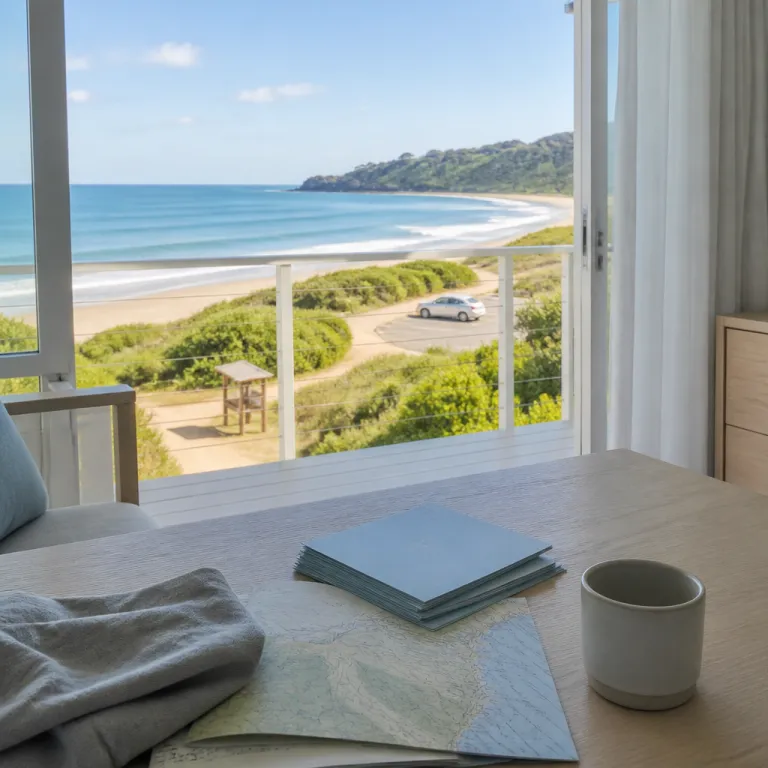
How kauai park fees visitors 2026 reshape a luxury stay
Kauaʻi’s most coveted landscapes now sit behind carefully managed park entry systems. For luxury travelers, the evolving Kauai state park fees and visitor rules for 2026 quietly change how you design a stay, from when your vehicle pulls into a parking lot to which state park pairs best with your oceanfront suite. Think of it less as red tape and more as a curated framework that filters crowds so your time on the island feels rarer and more deliberate.
The Hawaiʻi Department of Land and Natural Resources (DLNR), working with Republic Parking Northwest, has introduced structured entry reservations, parking charges and visitor caps at key state parks. At Wailua River State Park near Kapaʻa, non-resident visitors currently pay 5 USD per person for park entry and 10 USD per vehicle for parking, with automated systems that accept only card purchase and issue a same-day pass across designated sites (fee levels and rules last verified against DLNR State Parks guidance and Republic Parking notices in early 2024 at dlnr.hawaii.gov/dsp and republicparking.com). These updated Kauai park fee policies sit alongside a broader shift in Hawaiʻi travel toward what officials call a “high value visitor” model, where fewer people, paying slightly more, help protect the island while enjoying a calmer experience; DLNR and the Hawaiʻi Tourism Authority report that visitor-related conservation and infrastructure funds now total well over 50 million USD per year across the islands. For the latest details, DLNR’s official state parks website and posted Republic Parking notices remain the primary sources of record.
For guests booking premium rooms in Princeville, Poʻipū or along the North Shore, this means your travel guide and hotel concierge must now treat state parks as limited-edition experiences that require planning. A private driver, for example, will time your Hāʻena State Park entry and parking slot with the tides and high surf forecasts, then coordinate a shuttle or park-and-ride so you are not circling for parking. When you browse Kauai travel platforms, look for properties whose teams already integrate the 2026 park reservation and fee logistics into pre-arrival emails, including clear guidance on bookings, parking and how Hawaiʻi residents in your party can access free Hawaiʻi benefits.
Park by park: what to book, pay and reserve before you land
Understanding the Kauai park fee and visitor system for 2026 starts with a park-by-park breakdown, because each state park now behaves a little differently. Wailua River State Park requires non-resident entry and parking fees, while Hāʻena State Park on the North Shore layers strict entry reservations and shuttle requirements on top of basic park entry rules. When you plan a week in Kauaʻi, your reservation strategy should sit alongside your hotel choice, not as an afterthought squeezed between spa appointments.
Hāʻena State Park, gateway to the famed Kalalau Trail and the Hanakapiʻai section of coast, operates on advance reservations with a firm daily cap for non-residents. You will choose between limited parking lot spaces for a single vehicle, or a timed shuttle seat from a designated park-and-ride hub along Kūhiō Highway, and both options require online purchase before you arrive through the DLNR State Parks reservation portal linked from the official Hāʻena and Kalalau pages. Because these entry reservations can vanish quickly in peak seasons, many luxury travelers now ask their concierge or villa host to act as a hands-on guide, securing slots the moment they open and aligning them with private chef dinners or curated evenings at their resort; a practical sequence is to confirm your preferred Hāʻena date, secure the shuttle or parking reservation, then finalize restaurant and spa bookings around that anchor.
Elsewhere, Kauai’s 2026 visitor rules intersect with closures and partial access. Kōkeʻe State Park has its main camping areas closed for long-term improvements, so while day hiking and scenic drives remain possible, you cannot currently secure a camping permit there through the usual state parks system. Polihale State Park remains closed to protect fragile dunes and address access issues, which means your travel guide should steer you toward alternative west side beach experiences rather than promising a sunset that the island, for now, will not deliver; for independent planners, a refined vacation rental strategy on the Garden Island is outlined in this planning a refined vacation by owner on Kauai’s Garden Island feature.
Kalalau Trail, Hanakapiʻai Valley and the new meaning of access
No element of the Kauai park fee and reservation program feels more charged than the Kalalau Trail, because it sits at the intersection of wilderness myth and very real management limits. The trail begins inside Hāʻena State Park, so your park entry, parking and shuttle reservations form the first gate before you even think about a camping permit. For many solo explorers, the question is not whether they will walk the trail, but how far they can go within the rules and their own comfort.
Day hikers without a camping permit may walk from the trailhead to Hanakapiʻai Beach and into Hanakapiʻai Valley, a stretch that already demands respect for high surf, flash floods and slippery rock. Overnight access beyond Hanakapiʻai toward the remote Nāpali Coast requires one of only 60 camping permits issued per day, and in peak summer windows those permits can sell out within moments of release on the state parks online system; DLNR’s Kalalau Trail and Hāʻena State Park reservation pages at dlnr.hawaii.gov/dsp/hiking/kauai/kalalau-trail and dlnr.hawaii.gov/dsp/parks/kauai/haena-state-park publish current limits and availability, with permit calendars typically opening 30 days in advance. If you miss out, consider pairing a shorter Hanakapiʻai hike with a luxury catamaran cruise along the Nāpali Coast or a helicopter flight, then return to your hotel’s lanai for sunset, perhaps timed with whale season in Kauai as outlined in this refined whale season guide.
Because the 2026 Kauai park reservation system concentrates demand into fewer, better managed slots, the experience on trail can feel more contemplative than in the past. You will still share the path, but the crush eases, and the sound of the ocean below Hanakapiʻai Valley competes less with human noise. Luxury properties that understand this shift now brief guests with a nuanced travel guide to Kalalau logistics, explaining when to aim for early entry parking, when to rely on the shuttle, and how to balance ambition with safety on a coastline where high surf can turn a postcard beach into a no-swim zone within minutes.
From fees to stewardship: where your money actually goes
The most misunderstood aspect of Kauai’s updated park fees and visitor caps is where the money flows once you tap your card at a kiosk. Non-resident entry and parking charges at places like Wailua River State Park feed directly into maintenance budgets, trail stabilization and restroom upgrades that Hawaiʻi residents have long subsidized through their taxes. On top of that, a statewide increase in the Transient Accommodations Tax and Hawaiʻi’s Green Fee now channels tens of millions of dollars annually into shoreline restoration, invasive species control and wildfire prevention across the island, as outlined in DLNR and Hawaiʻi Tourism Authority budget summaries that, taken together, report more than 50 million USD per year in visitor-supported conservation and infrastructure funding across Hawaiʻi.
Hawaiʻi Department of Land and Natural Resources officials describe the shift in simple terms in their public materials, stating that the objectives are to “enhance visitor experience,” “protect natural resources” and “manage overcrowding.” For luxury travelers, this means the Kauai park fee framework is not a penalty for choosing a high-end resort, but a mechanism that keeps the beach you photograph at sunrise from eroding away before your next visit. When you see a newly stabilized section of trail above the Wailua River or a restored dune system near a state park beach, you are looking at the physical outcome of those small line items on your travel receipts.
Hotels that take sustainability seriously now weave this story into their guest experience, moving beyond generic green slogans. A thoughtful concierge might pair your Hāʻena State Park day with a reservation at a restaurant that sources from nearby farms, then share this from taro field to tableside feature so you understand how local chefs translate healthy watersheds into memorable menus. As Kauai’s 2026 visitor management rules become normalized, expect more properties to highlight partnerships with conservation groups, offer guided walks that explain ahupuaʻa land divisions and even arrange private briefings with park rangers who can articulate why limiting vehicle numbers today preserves the island’s character for the next generation.
Designing a one week itinerary around parks, hotels and logistics
Planning a week on Kauaʻi under the current park fee and reservation regime means starting with your non-negotiables, then building hotel and park choices around them. If Hāʻena State Park and a taste of the Kalalau Trail sit at the top of your list, anchor at least three nights on the North Shore so you can flex around weather, high surf and any last-minute shuttle changes. For travelers more drawn to river paddling and heritage sites, a stay near Kapaʻa or Wailua pairs beautifully with Wailua River State Park, where your entry and parking purchase can be combined with a gentle paddle to Fern Grotto or a guided cultural cruise.
One elegant pattern is to split your time between two regions, using Kauai’s 2026 park rules as a quiet structure. Begin with several nights in Poʻipū or the south shore, focusing on accessible state parks and beaches that do not require intense reservations, then move north for your Hāʻena State Park window once your body has adjusted to the island’s rhythm. Throughout, treat your hotel concierge as a live travel guide, asking them to monitor state parks announcements, confirm which areas of Kōkeʻe remain open for day use and verify any changes to Polihale’s closure status before you commit to long drives along Kūhiō Highway; a simple step-by-step pattern is to check the DLNR State Parks alerts page, confirm your preferred dates with the concierge, complete online reservations for Hāʻena and Kalalau if needed, then save digital copies of all confirmations to your phone for quick presentation at kiosks and shuttle stops.
Solo explorers in particular benefit from aligning Kauai park logistics with their preferred style of movement. If you like to linger over sunrise coffee, choose afternoon entry parking slots and rely on a shuttle so you are not racing a clock with your own vehicle. If you are an early riser, aim for the first park entry of the day, then return to your hotel spa or oceanfront pool by mid-afternoon while others queue at gates; either way, remember that Hawaiʻi residents with valid identification enjoy free Hawaiʻi parking at many sites, so mixed groups should plan who drives and who books which reservations to make the most of every rule.
FAQ
Who has to pay the new Kauaʻi state park fees ?
Non-resident visitors pay the new entry and parking fees at designated Kauaʻi state parks, while Hawaiʻi residents with valid identification generally receive free Hawaiʻi parking and entry. The 2026 Kauai park fee structure focuses on high-impact sites such as Wailua River State Park and Hāʻena State Park. Always check the official Hawaiʻi Department of Land and Natural Resources State Parks website before your trip, because specific rules can vary by park and may change over time.
What are the current fees at Wailua River State Park ?
At Wailua River State Park near Kapaʻa, non-resident visitors pay 5 USD per person for park entry and 10 USD per vehicle for parking, with payment handled through automated systems that accept cards only. The receipt typically functions as a same-day pass across designated areas of the park, which can simplify your planning if you move between viewpoints and river access points. Hawaiʻi residents with valid identification are exempt from these charges, reflecting a policy choice to prioritize local access while managing overall visitor numbers; DLNR and Republic Parking postings on-site provide the most current confirmation.
How do reservations work for haʻena State Park and the Kalalau Trail ?
Hāʻena State Park uses an online reservation system that requires non-residents to secure timed entry slots, either with limited parking lot access for a single vehicle or via a shuttle from a designated park-and-ride hub. For the Kalalau Trail, day hikers need only the park entry reservation, but anyone camping beyond Hanakapiʻai must obtain a separate camping permit, and only 60 such permits are issued per day according to DLNR’s official Kalalau permit guidance, which is typically released 30 days ahead on the state parks reservation calendar. Because these slots can sell out quickly, especially in peak seasons, many travelers now coordinate bookings with their hotel concierge or plan to be online the moment new dates are released.
Are any major Kauaʻi parks closed or partially restricted right now ?
Kōkeʻe State Park currently has its main camping areas closed for long-term improvements, so while you can still visit for day hikes and scenic drives, camping permits there are not being issued in the usual way. Polihale State Park remains closed to protect fragile dune systems and address access concerns, meaning it should not be part of your near-term itinerary. Other state parks, including Wailua River and Hāʻena, remain open but operate under the updated Kauai park fee and reservation framework, with varying combinations of entry fees, parking controls and timed access requirements.
How should luxury travelers adapt their hotel bookings to the new system ?
High-end travelers should now treat park logistics as a core part of their booking process, choosing properties whose teams understand Kauai’s 2026 park rules and can secure or advise on key reservations. It is wise to align your stay dates with confirmed Hāʻena State Park or Kalalau Trail access, rather than assuming you can add those experiences at the last minute. Many premium hotels on the island already integrate state park guidance into pre-arrival communication, helping you time your vehicle use, shuttle choices and beach days so the new rules enhance rather than restrict your trip.
Quick planning checklist for Kauai’s 2026 park system
Before you fly, confirm current fees and closures on the DLNR State Parks website, secure Hāʻena State Park entry and shuttle or parking reservations, apply for Kalalau camping permits if you plan to backpack, coordinate dates with your hotel concierge, and save digital copies of all confirmations so you can present them quickly at kiosks and shuttle stops.