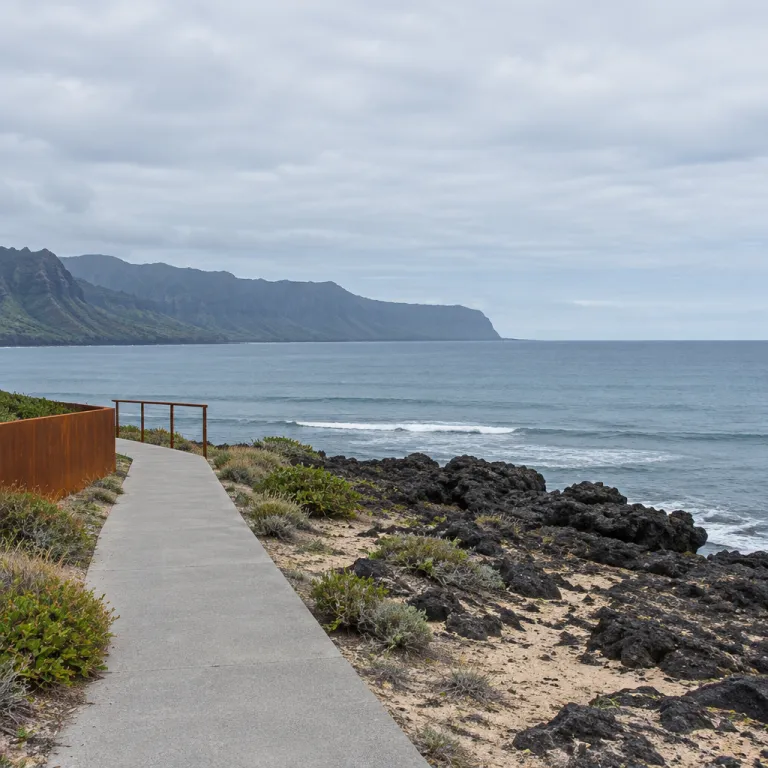
From sustainable to regenerative: why Kauai raises the bar
On Kauai, regenerative tourism means your stay actively repairs what mass tourism has strained. Luxury visitors are now asked to support environmental stewardship, cultural revival and local communities rather than simply reduce harm. That shift is reshaping how people choose hotels, activities and even where they view the sunset along the north shore.
Regenerative tourism Kauai conversations start with honesty about impact, because the visitor industry has long relied on fragile valleys, reefs and state park trails. The Hawai Tourism Authority, often called HTA, now frames destination management around giving back more than you take, and that includes premium properties and their guests. For you, regenerative travel on Kauai means trading passive consumption for regenerative experiences that centre community needs and native Hawaiian priorities.
The new climate impact green fee, embedded in Hawai’s Transient Accommodations Tax, is one visible tool. Every night you sleep in a luxury room, a portion of that tax is meant to help fund environmental stewardship and resilience projects that protect native ecosystems. Regenerative tourism on Kauai asks you to see that line on your bill not as a nuisance, but as a management action that links your stay to trail repair, marine debris removal and native forest restoration.
World Tourism Day becomes a useful mirror here, because it exposes the gap between marketing language and real regenerative travel. On Kaua, the question is no longer whether tourism can be lighter, but whether visitors will accept that genuine regenerative tourism requires changed behaviour. That means fewer helicopter loops over the same valley and more time with a native Hawaiian guide explaining why certain ridgelines remain kapu, or off limits, for reasons deeper than any park sign.
Where your money goes now: green fees, grants and hotel choices
When you book a premium suite on Kauai, your bill now quietly funds more than infinity pools and room service food. Under Hawai’s updated tax structure, the Transient Accommodations Tax includes a climate impact green fee that channels money into environmental stewardship and resilience projects across the islands. For regenerative tourism Kauai advocates, this is one way the tourism industry begins to align revenue with repair.
The Hawai Tourism Authority and the broader tourism authority network are routing part of this funding into specific Kauai initiatives. Recent HTA news highlighted grants for Kumano I Ke Ala O Makaweli land restoration and Waipa Foundation farm and food education programs, both led by native Hawaiians on the north shore. These projects show how destination management can move beyond slogans, because visitors who join their tours or volunteer days step directly into regenerative experiences shaped by local communities.
Luxury properties are responding unevenly, and that matters if you care about regenerative travel. Some north shore resorts now highlight locally grown ingredients, native plant landscaping and partnerships with state park stewards who manage trail capacity and marine debris cleanups. Others still treat regenerative tourism as a marketing adjective, so you need to read beyond the brochure and ask how your stay will help specific community projects.
World Tourism Day is a sharp moment to audit your own choices, especially if you value comfort as much as conscience. Before you confirm a booking, look for hotels that publish clear management action plans, support native Hawaiian cultural programming and contribute to Hawai tourism stewardship grants rather than just using the language of regenerative tourism. To understand how these efforts fit into the island’s broader shift toward cleaner infrastructure, study this guide to Kauai’s clean energy experiment and travel infrastructure.
What regenerative travel actually asks you to do on Kauai
Regenerative tourism Kauai advocates will tell you that writing a green fee is the easy part. The harder work is reshaping how visitors move, eat and learn, so that every day on the island leaves a small trace of repair. For a solo traveler, that can mean trading one resort day for a morning of volunteer work and an afternoon of slow travel along the coast rather than a frantic checklist of attractions.
Volunteer opportunities now thread through the island’s visitor industry, and many are designed to fit a luxury itinerary without feeling like penance. You might join a native plant restoration in a state park, help sort marine debris on a remote beach or spend a few hours at a community loʻi kalo, learning how taro cultivation underpins Hawaiian culture and food sovereignty. These regenerative experiences turn abstract ideas about regenerative tourism into specific actions that support local communities and native Hawaiians.
Daily choices matter just as much as scheduled volunteer days. Choosing locally grown food at dinner, booking with operators who employ native guides and respecting access limits at fragile sites are all forms of quiet destination management. If you want a practical framework for low impact decisions, this detailed guide to traveling with a lighter footprint on Kauai translates regenerative travel principles into concrete steps.
World Tourism Day is a reminder that tourism can either erode or reinforce community resilience. On Kaua, regenerative tourism asks you to side with the people doing the work on the ground, whether that is a native Hawaiian cultural educator, a park ranger managing trail quotas or a chef building menus around locally grown harvests. The common ground between luxury and responsibility appears when visitors accept that their time, attention and choices are as valuable as their credit card.
Reconciling luxury, community and the future of Kauai
There is a tension at the heart of regenerative tourism Kauai conversations, because luxury travel and light footprints do not automatically align. High end suites, imported amenities and frequent inter island flights all carry a cost that no amount of marketing language can erase. The question for visitors is not whether to avoid comfort, but how to ensure that comfort is balanced by meaningful contributions to community wellbeing and environmental stewardship.
Some of the most thoughtful properties on Kauai now treat regenerative travel as a design principle rather than a décor theme. They work with native Hawaiian advisors on cultural programming, support local management action plans for nearby trails and invest in staff training so that front desk teams can explain why certain areas are closed for restoration. Guests are invited into this process, asked to learn about Hawaiian culture, respect sacred sites and see their stay as part of a longer story that predates tourism.
For solo travelers, this can feel like a welcome recalibration. Instead of chasing every viewpoint, you might choose one state park hike with a guide who explains how destination management protects both native species and community access, then spend the afternoon reading recent Hawai tourism news to understand the policy backdrop. A quiet evening at a restaurant that sources locally grown produce and seafood becomes another small act of alignment with regenerative tourism values.
World Tourism Day on Kaua is less about slogans and more about accountability. Regenerative tourism asks visitors to treat travel as a relationship with Hawai, its people and its future, not a backdrop for content. If you are willing to volunteer, to listen and to let native Hawaiians lead the narrative, your time on the island can help shift the tourism industry toward a model where community, environment and visitor experience genuinely share common ground.
FAQ
What is the difference between sustainable and regenerative tourism on Kauai ?
Sustainable tourism on Kauai focuses on reducing negative impacts, such as using less water or energy in hotels. Regenerative tourism goes further by aiming to restore ecosystems, support community projects and strengthen Hawaiian culture through visitor participation. On Kaua, that means activities like habitat restoration, marine debris cleanups and cultural education led by native Hawaiians, not just reusing towels.
How can I include volunteer opportunities in a luxury stay ?
Many high end properties on Kauai now partner with local organizations to offer curated volunteer opportunities that fit a premium itinerary. You can join half day projects in a state park, help with native plantings or assist with marine debris sorting, then return to your hotel in time for dinner. Ask your concierge for regenerative experiences that support local communities, or contact groups highlighted by the Hawai Tourism Authority for current programs.
Does the Hawai green fee really help local communities and the environment ?
The climate impact green fee, collected through the Transient Accommodations Tax, is designed to fund environmental stewardship and resilience projects across Hawai. On Kauai, recent HTA grants have supported native Hawaiian cultural programs and land restoration efforts that directly benefit local communities. While implementation is still evolving, regenerative tourism advocates see this management action as a way to align visitor spending with long term destination management.
Can I still enjoy luxury while practicing regenerative travel on Kauai ?
Yes, but it requires more intention. You can choose hotels that invest in environmental stewardship, hire native Hawaiian staff in visible roles and source locally grown food, then balance indulgent days with time spent learning, volunteering or supporting community led tours. Regenerative tourism Kauai principles do not reject comfort, they ask that your comfort contributes to, rather than extracts from, the island’s future.
Which areas of Kauai are best for regenerative travel experiences ?
The north shore offers strong options, with community based farm visits, cultural education and coastal cleanups that align with regenerative tourism values. Other regions, including areas near major state park entrances, also host projects focused on trail restoration and habitat protection. To match your plans with the right microclimate and community initiatives, use this guide to choosing the best side of Kauai for your stay and then ask local partners about current regenerative programs.