Reading Kauai through the ahupuaa land system
Luxury travel on Kauai makes more sense when you understand the ahupuaa Kauai Hawaiian land story. The ahupua system was a traditional Hawaiian land division that ran from upland forests down to the sea, giving one community access to every resource it needed. When you book a premium hotel on the island today, you are still sleeping inside one of these historical land divisions, even if the check in desk never mentions it.
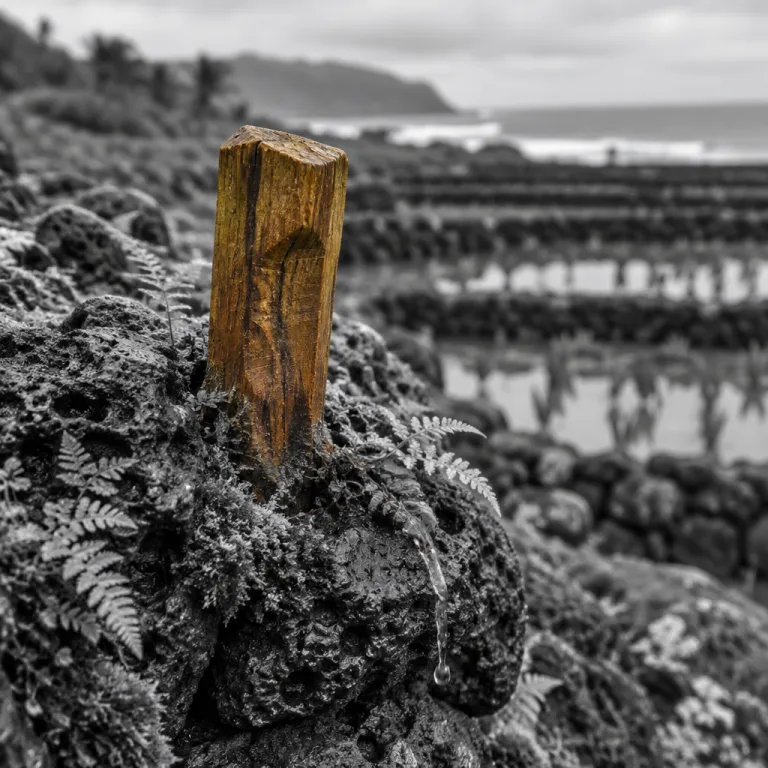
An ahupua was more than a slice of land ; it was a complete management system for water, food, and spiritual sites that linked mountains and sea in one living corridor. Each ahu, the altar that once marked the boundary, signaled where one community’s responsibility for resources and people ended and another began, creating a network of resource zones that covered the Hawaiian Islands. On Kauai, this mountain sea logic still shapes where roads run, where rain fed streams cut valleys, and where the most fertile taro patches sit below the upland forests.
For a traveler choosing between resorts on the north shore or the south shore, understanding this traditional Hawaiian framework changes the decision. You are not just picking a coastline ; you are choosing a position at the bottom of a whole indigenous land system that once linked forest birds, loi kalo terraces, and reef fisheries in one continuous flow. The most rewarding luxury stays lean into that story, connecting guests with community led projects that keep ahupua restoration alive today.
Limahuli and the north shore: where the ahupuaa is still visible
Nowhere on Kauai does the ahupua traditional pattern feel as intact as at Limahuli Garden on the north shore. Here, a largely preserved land division stretches from steep mountains sea ridges down to a reef lined bay, and you can literally trace the ahupua system with your feet as you climb from coastal plants to rain fed terraces. For guests staying in high end properties in Hā‘ena or Princeville, this valley is the clearest classroom for how traditional land management once worked across Hawai‘i.
Walking the stone terraces, you see how water management shaped everything ; channels guide stream flow through taro patches before returning it to the river, a design that protected resources ahupua wide while feeding the local community. The upland forests above act as a sponge, capturing rain that feeds the system below, while the sea at the valley mouth once provided fishing grounds that completed the circle of resource zones. Reading this landscape, you understand why a coastline hotel is only the visible edge of a deeper system that still defines the island.
Pair a visit here with time in the nearby National Tropical Botanical Garden sites, especially the gardens that gave Kauai its name, which are explored in detail in this guide to Kauai’s defining gardens. Together, these places show how traditional Hawaiian knowledge, careful land division, and modern conservation can coexist in one valley. For luxury travelers, this is where a photo credit on a postcard view becomes a deeper understanding of how Hawai‘i still works today.
From mountain to sea: choosing your hotel by ahupuaa
Most premium hotels on Kauai sit at the ocean edge, but every one belongs to an ahupua that once ran from mountain sea ridgelines to the reef. On the south shore, for example, Poipu resorts occupy the coastal zones of former subdivision land that historically linked pasture, agriculture, and sea, while inland communities still manage water and land resources that feed the same watershed. When you choose a property, you are effectively choosing which part of this traditional system you want to wake up inside.
North shore stays near Hanalei place you at the mouth of an ahupua where rain fed rivers carry sediment from the mountains, shaping the bay that surfers and paddlers love today. West side lodgings sit closer to the drier resource zones that once relied on careful land management and seasonal movement between upland forests and coastal fisheries, a rhythm still visible in community led restoration projects. Even if your hotel marketing never mentions the word ahupua, the layout of golf courses, trails, and access roads quietly follows those older systems.
Understanding this context also reframes how you move between historical landmarks, from coastal heiau sites to the famous ruins of Coco Palms, whose complex story of permits and restoration debates is unpacked in this in depth look at Kauai’s most talked about resort ruin. These sites sit inside specific ahupua, not in isolation, and their histories are tied to shifts in land division and ownership across Hawai‘i. As a guest, reading the island through this lens encourages more respectful choices about where you stay, where you spend, and which stories you give credit to.
Food, farms, and reef: how ahupuaa logic shapes luxury experiences
On Kauai, the most memorable luxury experiences often trace the same paths as the old ahupua system. A morning at a rain fed taro patch in Hanalei, followed by an evening tasting menu built around that same kalo, shows how traditional Hawaiian land management still feeds high end hospitality. The chef’s plate becomes a map of the island, linking upland forests, valley farms, and nearshore sea life in one story.
Many premium properties now partner with community led projects focused on ahupua restoration, from loi kalo workdays in west Kauai to reef monitoring near resort beaches. These collaborations respect indigenous land knowledge while giving guests a grounded way to engage with Hawai‘i beyond the pool, turning abstract ideas about resources ahupua wide into tangible experiences. When a guide explains how water management upstream affects coral health below, the view from your oceanfront suite suddenly carries more weight.
If you are curious about how this plays out in daily life, look for itineraries that connect farm visits, cultural sites, and shoreline walks rather than isolating each activity. One thoughtful example is a morning at a cacao estate and honey farm, detailed in this feature on Kauai’s award winning chocolate farm, where you can taste how different resource zones shape flavor. Experiences like this align closely with the ahupuaa Kauai Hawaiian land story, turning a simple tasting into a lesson in how the island’s systems still function today.
Context from across the Hawaiian Islands: ahupuaa beyond Kauai
While Kauai offers some of the most visible examples, the ahupua system once structured life across all the Hawaiian Islands. On Oʻahu, places such as the ahupua Kahana show how a valley can still operate as a largely intact community space, while on Kahoʻolawe debates about indigenous land rights and restoration highlight the long shadow of disrupted land division. Seeing these other islands helps explain why Kauai’s remaining intact systems feel so precious today.
Historical resources such as Hawaiihistory org outline how each ahupua traditional unit balanced population, resources, and spiritual sites, creating resilient systems long before modern sustainability language existed. Those same principles now inform contemporary land management debates in Hawai‘i, from water allocation to shoreline development near luxury resorts, where credit is slowly returning to traditional Hawaiian knowledge holders. When you evaluate a high end property, asking how it engages with local community and resource zones is a direct extension of that history.
For travelers who want their spending to support community led stewardship, this broader context matters as much as any photo credit on a travel brochure. Choosing operators who respect ahupua boundaries, support ahupua restoration, and listen to the people who still live within these systems is one of the most powerful decisions you can make. In that sense, the ahupuaa Kauai Hawaiian land story is not just a historical curiosity ; it is a practical guide for how to travel Hawai‘i with care today.
FAQ
What is an ahupuaa and why does it matter for travelers on Kauai ?
An ahupuaa is a traditional Hawaiian land division that typically runs from upland forests down to the sea, giving one community access to fresh water, agricultural land, and reef resources in a single unit. For travelers, understanding this system helps you see that your hotel sits inside a larger ecological and cultural corridor, not just on a beach. It encourages more thoughtful choices about activities, guides, and how your stay affects the surrounding community.
How can I experience an ahupuaa during a luxury stay on Kauai ?
You can visit places where the ahupua system is still visible, such as Limahuli Garden on the north shore, where terraced fields and intact valley walls show the full mountain to sea structure. Many high end properties can arrange guided visits to loi kalo projects, cultural sites, or conservation areas that operate within specific ahupua. Ask your concierge for experiences that connect upland, valley, and reef rather than isolated sightseeing stops.
Does choosing a hotel location affect my impact on local communities ?
Yes, because each coastal resort sits at the end of an ahupua where upstream water management, agriculture, and housing all influence the shoreline you enjoy. Staying with properties that support nearby community led projects, respect cultural sites, and manage resources carefully helps balance that impact. When in doubt, ask how the hotel engages with its surrounding ahupua and what partnerships it maintains with local organizations.
Are ahupuaa concepts still used in land management in Hawai‘i today ?
Elements of the ahupua system inform many modern conservation and planning efforts across Hawai‘i, especially in watershed management and community based fisheries. While contemporary legal boundaries differ from traditional land division lines, many projects intentionally work at the scale of mountain to sea corridors. On Kauai, this approach is visible in restoration work in valleys, taro fields, and nearshore reefs that all operate within historic ahupua.
How can I learn more about the history behind the ahupuaa system before my trip ?
You can explore educational resources produced by Hawaiian cultural organizations, museums, and archives that focus on land and water systems. Once on Kauai, interpretive signage at gardens and cultural sites, along with guided tours led by local experts, will deepen that knowledge. Reading about the broader history of the Hawaiian Islands also helps place Kauai’s valleys and coastlines within a larger story of indigenous land stewardship.
Sources
National Tropical Botanical Garden ; Limahuli Garden and Preserve. Hawai‘i State Department of Land and Natural Resources. Hawai‘i Tourism Authority cultural and natural resource materials.