Why kauai stargazing night activities belong on your itinerary
On Kauai, the sky after sunset feels like another ocean. As the sun sets behind the western cliffs and the trade winds soften, the island shifts from bright greens to deep indigo, and the night sky becomes the quiet headline act for couples who want to enjoy a slower rhythm. If you plan your Kauai vacation with intention, you can spend each evening moving from glowing horizon to stargazing stillness without ever leaving the shore.
The island’s rural character keeps light pollution relatively low, especially on the south and west coasts where the air is drier and the clouds thin more often. That means kauai stargazing night activities can feel surprisingly intimate, even when you are staying at a large resort or a polished vacation rental near a popular beach park. You will notice how quickly your eyes adjust when you step away from lobby lights and walk toward the darker edge of the beach Kauai is famous for, especially along stretches like Poipu Beach or the quieter sands near Salt Pond.
Couples who stay in Princeville on the north shore get a different kind of night sky, framed by steep ridgelines and the sound of surf rolling in from the open Pacific. Here, an evening stargazing walk along the cliff paths or down to the shore can turn a simple spent evening into the best memory of the trip. The key is to carry a small red light, keep your screens dim and let the island’s natural rhythm guide how you spend and enjoy each kauai night, whether you are on a resort lawn or a lookout above Hanalei Bay.
Reading the night sky from Kauai’s shores
For many travelers, kauai stargazing night activities start with learning how to read the night sky rather than chasing a specific constellation. On clear nights, the Milky Way often stretches overhead like a pale river, and from a remote location on the south or west shore you can trace its arc from horizon to horizon. When the Southern Cross is visible low in the south during late autumn and winter, it anchors the view and quietly reminds you that Hawaii sits deep in the Pacific, far from the Big Island’s busier resort corridors.
Conditions matter more than any single spot, so think in terms of wind, clouds and moon phase when you plan your evening stargazing. The drier leeward coasts often pair clear skies with gentle trade winds, while the lush north shore can bring passing showers that briefly hide the stars but leave the air scented and cool. If you are pairing a canyon hike with a luxury stay, use a curated planning guide such as this one on elevating your Kauai canyon hike with luxury stays and curated adventure to balance long days on the trail with quieter nights under the sky.
From a practical standpoint, the best kauai stargazing night activities begin with a simple routine that respects both your comfort and the shoreline. Arrive at the beach before the sun sets, watch the last color drain from the horizon, then step a little farther from any path or building where light might interfere. Use a red light rather than a bright white beam so your eyes adjust slowly, and remember that even on a calm evening the shore can be unpredictable, so keep a safe distance from the waterline while you enjoy the night sky and check basic marine forecasts from NOAA before heading to more exposed viewpoints.
Guided tours, resort astronomy and quiet luxury after dark
Many luxury properties on Kauai now weave kauai stargazing night activities into their broader experience programs, often in partnership with local astronomers or cultural practitioners. These guided tours can range from simple night sky talks on a lawn to more in depth sessions that connect constellations with Hawaiian history, culture and traditional navigation. When you join one of these small group evenings, you gain context for what you see above the island rather than just ticking off famous stars, and you can ask staff whether their partners hold current permits recognized by the Hawaiʻi Tourism Authority.
Couples who prefer privacy can ask their concierge which parts of the property offer the darkest vantage points and how to reach them safely after night falls. A well placed hammock near the shore, a quiet corner of a beach park or a lawn that faces away from building light can all become your personal observatory for the night. For a broader view of refined experiences that pair well with these nocturnal hours, explore this guide to refined things to do in Kauai across shores and trails and then layer in your own evening stargazing ritual.
Some couples choose to spend an entire kauai night around the rhythm of the sky, starting with sunset stargazing on the west side and ending with a slow walk back to their suite. Others book small scale tours that combine storytelling with careful sky observation, often using red light to protect night vision while guides point out planets and seasonal constellations. Whatever you choose, remember that the best luxury is often the ability to spend evening hours without a schedule, letting the island and the night sky set the pace while you follow basic guidance from sources like the National Park Service and the University of Hawaiʻi Institute for Astronomy on dark sky etiquette.
Night in the water: snorkels, reef walks and shoreline safety
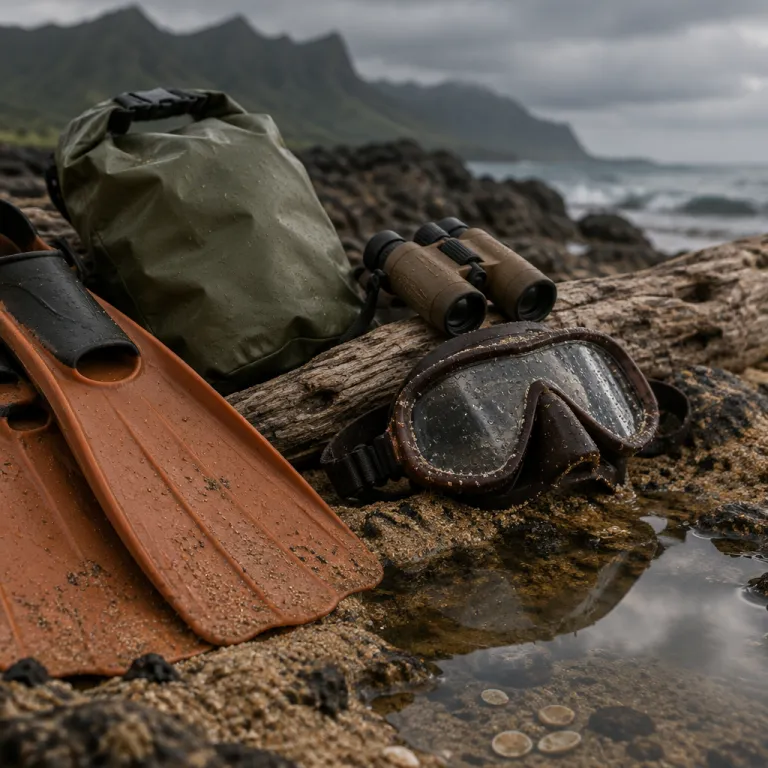
While the sky draws most of the attention, some kauai stargazing night activities extend toward the water in the form of guided night snorkels or reef walks. These experiences can be compelling for confident swimmers, but they demand a higher level of caution than daytime outings because the shore changes character after dark. Swell, currents and unseen rocks become more challenging to read at night, even on a familiar beach.
If you are considering any night water activity, limit yourself to reputable, fully permitted tours that prioritize safety, environmental protection and respect for wildlife. Conditions on the north shore can shift quickly, and even a sheltered cove on the south or west side can feel very different once the sun sets and the trade winds pick up. Guides who know the island well will cancel or adjust plans when surf or visibility is not ideal, and that restraint is a sign of professionalism rather than a missed opportunity, especially when they reference NOAA or county ocean safety updates before entering the water.
For many couples, the more luxurious choice is to keep the water as a soundtrack rather than a playground after dark and focus on the shore instead. A slow walk along Kauai’s coastal paths, pausing to watch the night sky from a safe distance, can feel more relaxing than any adrenaline heavy outing. If you want to pair your evenings with thoughtful daytime experiences, consider a farm or tasting visit such as this morning at Kauai’s award winning chocolate farm, then let the night bring a quieter counterpoint by the sea.
Designing romantic nocturnal rituals from Princeville to the west side
What sets kauai stargazing night activities apart for couples is not only the sky, but the unhurried rituals you can build around it. In Princeville, many suites and vacation rental homes face north or west, giving you a front row seat as the last light fades behind distant ridges. You might pour a glass of wine, step onto the lanai and simply enjoy the way the island exhales once the day’s heat lifts.
On the south and west coasts, where light pollution is lower and the air often clearer, you can plan an entire Kauai vacation around evenings that start with a beachfront dinner and end with an hour of quiet stargazing. Choose properties that respect dark sky principles, limit unnecessary exterior light and offer easy access to the shore without long, unlit walks. When you read a hotel’s privacy policy or sustainability statement, look for mentions of wildlife friendly lighting and energy practices, as these often correlate with better night sky conditions and align with guidance from the Hawaiʻi Tourism Authority on responsible travel.
Wherever you stay on the island, the most meaningful kauai stargazing night activities usually cost nothing and require only a little intention. Turn off your devices, bring a light blanket to the beach park or lawn, and give your eyes time to adjust while the trade winds move through the palms. In those quiet minutes, with the Southern Cross low on the horizon and the sound of waves along the shore, you will understand why the island’s nocturnal hours feel like a different, more private version of Hawaii.
Practical tips for safe, respectful nights under Kauai’s sky
Thoughtful planning turns kauai stargazing night activities from a casual idea into a highlight of your trip. Start by checking the moon phase, since darker nights reveal more stars but can make shoreline navigation trickier, especially on uneven paths. If you are staying on the north shore or in Princeville, ask staff which routes to the beach are safest after dark and whether any sections are affected by seasonal surf.
Pack a small kit dedicated to evening stargazing so you are not fumbling with phone lights or bright headlamps. A red light preserves your night vision and helps your eyes adjust, while a light jacket or wrap keeps you comfortable when the trade winds strengthen later in the night. If you plan to spend evening hours at a remote location, tell your hotel where you are going, stay on established paths and avoid standing too close to the waterline, especially during winter swell, and consider checking basic tide and surf information from NOAA or county sources before you leave.
Respect for wildlife and culture is as important as your own comfort when you enjoy the night sky on Kauai. Give monk seals and nesting seabirds plenty of space, never shine lights directly at animals and keep noise low near coastal vegetation where birds may rest. By treating the island’s nocturnal landscape with care, you help ensure that future travelers will experience the same dark, star filled Hawaii that makes kauai stargazing night activities feel so quietly luxurious, in line with recommendations from the Hawaiʻi Tourism Authority and National Park Service dark sky guidance.
FAQ
Is Kauai good for stargazing compared with other Hawaiian islands?
Kauai offers excellent stargazing for casual observers, especially along its less developed south and west coasts where light pollution is relatively low. While the Big Island hosts professional observatories at high elevation, Kauai’s appeal lies in easy access to dark beaches and quiet resort lawns. For most couples, that combination of comfort and dark sky makes kauai stargazing night activities particularly rewarding.
Where should couples stay on Kauai for the best night sky views?
Couples focused on kauai stargazing night activities often choose the south or west coasts for clearer, drier conditions and darker horizons. Princeville and the north shore offer dramatic silhouettes of mountains and ocean, though passing showers are more common. When booking, look for properties that limit exterior lighting and provide safe, direct access to the shore or open lawns.
Are night snorkels and reef walks safe on Kauai?
Night snorkels and reef walks can be safe only when conditions are favorable and you join reputable, permitted tours that prioritize safety and environmental protection. Surf, currents and underwater hazards are harder to read at night, so guides should be willing to cancel or modify plans if anything looks marginal. Many couples ultimately decide that listening to the ocean from shore while enjoying the night sky is a more relaxing way to spend evening hours.
Do I need special equipment for kauai stargazing night activities?
You do not need advanced equipment, but a few simple items make a big difference. A red light, a light jacket and a blanket or beach mat help your eyes adjust and keep you comfortable while you sit under the sky. Binoculars can enhance the view, yet the naked eye is enough to appreciate the Milky Way and seasonal constellations from many dark locations on the island.
How can I stargaze responsibly and respect Kauai’s wildlife?
Responsible kauai stargazing night activities start with staying on established paths, keeping a safe distance from the waterline and giving wildlife plenty of space. Avoid shining lights directly at monk seals, seabirds or turtles, and keep noise low near dunes and vegetation. Choose accommodations that follow wildlife friendly lighting practices, which support both the night sky and the island’s ecosystems.
Sources
Hawaiʻi Tourism Authority responsible travel resources; National Park Service dark sky guidance; University of Hawaiʻi Institute for Astronomy public outreach materials; NOAA marine forecasts for Kauai.